Facelift in Oakville, Ontario
If you’re noticing signs of aging in your face, you may be considering different ways to freshen up your look. A facelift can help rejuvenate any sagging areas and soften deep folds, restoring your youthful appearance.
At ICLS Dermatology & Plastic Surgery in Oakville, we serve patients from Toronto, the Greater Toronto Area, and Hamilton seeking facial rejuvenation surgery. Dr. Julie Khanna combines surgical expertise and compassionate patient care to provide natural-looking, long-lasting results.
Considering a facelift in Toronto or the surrounding areas? Read our guide to the benefits, pricing, complementary procedures, and other factors and book a consultation to discuss a personalized plan for your aesthetic goals.
What Is a Facelift?
A facelift, or rhytidectomy, is a cosmetic surgical procedure designed to address signs of facial aging. These include fine lines, sagging, and deep skin folds, especially on the lower face and neck.
By lifting and repositioning the skin or removing excess tissue, a rhytidectomy in Toronto can improve:
- Sagging in the cheeks and around the jawline
- Jowls and loss of jaw definition
- Deep folds around the mouth and nose
- Loose skin and banding on the neck (often treated with a neck lift)
For more comprehensive results, some patients choose to include complementary procedures, such as a brow lift or eye lift.
Types of Facelifts
No two faces are alike — and neither are facelifts. With so many variations available, the key is choosing an approach tailored to your anatomy, goals, and budget.
Your journey starts with a one-on-one consultation, where Dr. Julie Khanna creates a customized treatment plan that fits your vision. Whether you’re considering a mini facelift in Toronto, a lower facelift, or a combination of techniques, the focus is on achieving natural, balanced results.
Full (Traditional/SMAS) Facelift
As the name implies, a full (traditional) facelift lifts most of the face. Target areas may include the forehead, eyes, jawline, and neck. Dr. Khanna may recommend this technique if you have several areas you want to address simultaneously.
This procedure involves lifting and tightening the supportive layer of tissue under the skin (known as the superficial musculoaponeurotic system, or SMAS). Results can last 10 years or more, depending on individual genetics and lifestyle factors.
Deep Plane Facelift
A full facelift in Toronto may also include a deep plane technique. As Dr. Khanna explains, “When we talk about the deep plane, it lifts the skin with the muscle layer (SMAS) together. It’s a good technique, but it’s the one I was taught 33 years ago.”
Essentially, the deep plane facelift tightens the deeper tissues that create sagging through the cheeks and jawline. While it’s a gold standard, it’s also a more involved surgery with a longer recovery than newer methods.
Volume-Conservation or “MACS” Facelift (Dr. Khanna’s Preferred Technique)
Dr. Khanna often favours a modern, volume-conserving technique, sometimes described as “MACS.” It’s a more conservative approach than traditional SMAS techniques, balancing lifting power with a softer, more natural finish.
“I lift the skin, rearrange the muscle separately, and then lay the skin down,” Dr. Khanna explains. “I can be more aggressive with the muscle and less aggressive with the skin,” allowing for precise control of tension and avoiding a “pulled” look.
Mini Facelift (Short-Scar)
A mini facelift uses a few small, hidden incisions near the hairline to tighten and smooth the lower face. This “short-scar” technique targets the first signs of looseness along the jawline and mild sagging around the cheeks and mouth. It may involve removing excess skin from the area, but it doesn’t treat loose skin in the neck.
Mini facelift results usually last five to seven years or more. Recovery is typically quicker than with a full facelift because it’s less invasive.
Mid-Facelift (Cheek Lift)
A mid-facelift, or cheek lift, focuses on the middle of the face, especially the cheeks. This is where early sagging can impact how youthful you look.
The procedure lifts and tightens this area to restore gentle contours and reduce drooping. Because it’s more invasive, a mid-facelift often requires several weeks of recovery time.
Cheek lift results typically last five to seven years. Note that this method does not add volume.
Lower Facelift & Neck Lift (Combination Approach)
If your main concerns are sagging along the jawline or loose skin on the neck, a lower facelift combined with a neck lift in Toronto can help. This approach tightens and smooths the lower third of the face below the corners of the mouth. It also refines the jaw and neck for a more defined, youthful look.
Recovery typically takes several weeks, with results lasting five to 10 years or longer.
Facelift Comparison Table
| Type of Facelift | Approach/Technique | Ideal Candidates | Longevity (Approx.) | Downtime |
| Full/Deep Plane | Comprehensive lift; skin + muscle moved together | Advanced laxity, deeper folds, neck aging | 10+ years | ~3–4 weeks* |
| MAX (Volume-Conservation) | Skin and muscle adjusted separately for precise control | Most seeking natural, balanced lift | 10+ years | ~2–3 weeks |
| Mini Facelift | Short-scar, focused on lower-face laxity | Mild–moderate aging, early jowls | 5–7 years | ~1–2 weeks |
| Mid-Facelift | Repositions sagging cheeks/midface | Flattened cheeks, early fold deepening | 5–7 years | ~2–3 weeks |
| Lower Facelift + Neck | Targets jawline and neck together | Jowls with neck laxity | 5–10 years | ~2–3 weeks |
*The downtime may be greater when adding radio frequency or fat transfer which is common
Facelift vs. “3-Day,” “Ponytail,” and “Vertical Restore” (Explained)
You’ll see many names for facelifts online, 3-Day Facelift, Ponytail Lift, Vertical Restore Facelift in Toronto/Canada, and others. These are marketing terms, not new surgical categories.
As Dr. Khanna explains, “There are a lot of different names and terminologies that don’t actually explain what’s going on.” What truly matters is understanding how the technique works and how it can best enhance your face.
On the “ponytail” approach, Dr. Khanna explains: “The ponytail lift keeps the incisions in the back of the hairline and not on the face… but it also limits how much you can do.” It can offer a slight lift for mild concerns or minor brow improvements. But it won’t correct deeper sagging through the mid- and lower face.
A more comprehensive facelift is sometimes the better, more long-lasting approach than a quick-fix technique.
Am I a Candidate? (When To Consider Surgery)
You might be a good candidate for a facelift in the GTA if you’re noticing:
- Diminished facial volume and/or neck definition
- Loss of collagen and skin elasticity
- Wrinkles, lines, deep folds, or jowls
- Loose or hanging skin, sagging cheeks, or deep folds around the mouth
- Stubborn facial fat
- A tired look that doesn’t reflect how you feel
Ideal candidates:
- Are in good general health
- Are non-smokers (or willing to stop pre- and post-operatively)
- Have realistic expectations
A facelift can be transformative on its own. But many patients see the best outcomes by combining facelift surgery with other facial rejuvenation procedures (more on these below). Neck lift surgery is a popular choice; others may opt for blepharoplasty in Oakville (eyelid surgery) or other options.
Your Consultation at ICLS
If you’re looking for the best facelift surgeon in Toronto, you won’t be disappointed by Dr. Julie Khanna, who leads our plastic surgery department. During your visit, Dr. Khanna will review your medical history, discuss your goals, and evaluate your skin quality, facial volume, and structural support.
Together, you’ll explore options for a facelift in Hamilton, Oakville, and the surrounding areas, from full or deep plane lifts to MACS, lower, mid, or mini approaches. Dr. Khanna will help you design a plan that may include surgical, non-surgical, or a combination of techniques.
We encourage you to come to this appointment with questions. We’re here to answer them all, whether you’re curious about:
- The typical mini facelift cost in Toronto
- MAX or deep plane facelift cost
- Recovery timelines
- A mini neck lift in Toronto
- Complementary cosmetic procedures
We’ll also capture photographs to guide the planning process and help track your progress.
Learn more about Dr. Julie Khanna and the rest of our team, including our dermatologist Oakville specialists who support skin health.
How the Procedure Works
Facelift surgery takes place under general anesthesia. Dr. Khanna places incisions in discreet areas, such as along the hairline, behind the ears, or under the chin, depending on your skin and goals. She then tightens the underlying muscles, removes or repositions excess skin and fat, and lifts the soft tissues.
At ICLS, we customize every facelift to the patient, prioritizing precision and patient safety in our state-of-the-art facilities. When appropriate, Dr. Khanna can combine surgical and non-surgical enhancements, like facial fat grafting or fillers.
Recovery Timeline & Aftercare
Every recovery is unique, but most patients find the process manageable. Here’s what to expect:
- Days 1–3: You’ll go home with a supportive garment and dressings. Keep your head elevated and rest. Mild pressure or tightness is usually common and controllable with prescribed medication.
- Week 1: Expect bruising and swelling; many sutures are removed around day 7. Short, easy walks help circulation.
- Week 2–3: Swelling and bruising fade considerably. Many people feel comfortable running errands and returning to desk work.
- Week 4–6: You’ll feel well-healed and “photo-ready” by about week four, depending on the extent of your surgery.
- Months 3–6: Results continue to develop as tissues settle. Incisions fade and flatten.
- One Year: You will be able to see your final results.
We will provide detailed guidance on scar care, skin care, and sun protection. Because ICLS combines surgical and dermatology expertise, we can also fine-tune results with cosmetic treatments.
How Long Does a Facelift Last?
You’ll notice a noticeable change once the early swelling subsides. Most patients see clear improvements at four to six weeks. Natural results continue to develop over the first year as tissues soften and scars mature.
What do we mean by “natural” results? You should look refreshed, not “done.” Your jawline and cheeks regain definition; folds soften; your neck appears smoother. Yet your expressions are still recognisably yours.
Longevity varies by technique, anatomy, and lifestyle, but in general:
- Mini and mid-facelifts last five to seven years.
- Lower facelifts with neck tightening last five to 10 years.
- Full/Deep plane/MAX often lasts 10 years or more.
Skin care, sun protection, healthy habits, and periodic cosmetic treatments can help extend your results.
Cost & Financing in Toronto/Oakville
Your investment depends on the extent of surgery, the technique, and whether you get complementary procedures (e.g., neck lift, fat transfer, eyelid surgery, or a brow lift in Toronto).
Facelift procedures typically start at $27,500.
Fees typically account for:
- The surgeon’s time and expertise
- Anaesthesia
- Accredited facility costs
We accept major forms of payment and offer third-party financing options to help eligible patients pay in installments.
Complementary Procedures
The most balanced outcomes often come from pairing facelift surgery with the right finishing touches:
- Blepharoplasty to brighten the eyes in harmony with your new jawline definition
- Mini neck lift to refine the transition between the jawline and neck
- Brow lift to open the upper third of the face and elevate heavy brows
- Fat transfer to enhance volume in the lips, under-eye hollows, and cheeks without the use of traditional dermal fillers
- Skin resurfacing to refine tone and texture
- Wrinkle-reducing injections like Botox for volume
As Dr. Khanna says, “What really makes a facelift? It’s the other things: fat grafting, eyelid lifts, lip lifts, skin care, lasers.” The right combination creates a more complete rejuvenation.
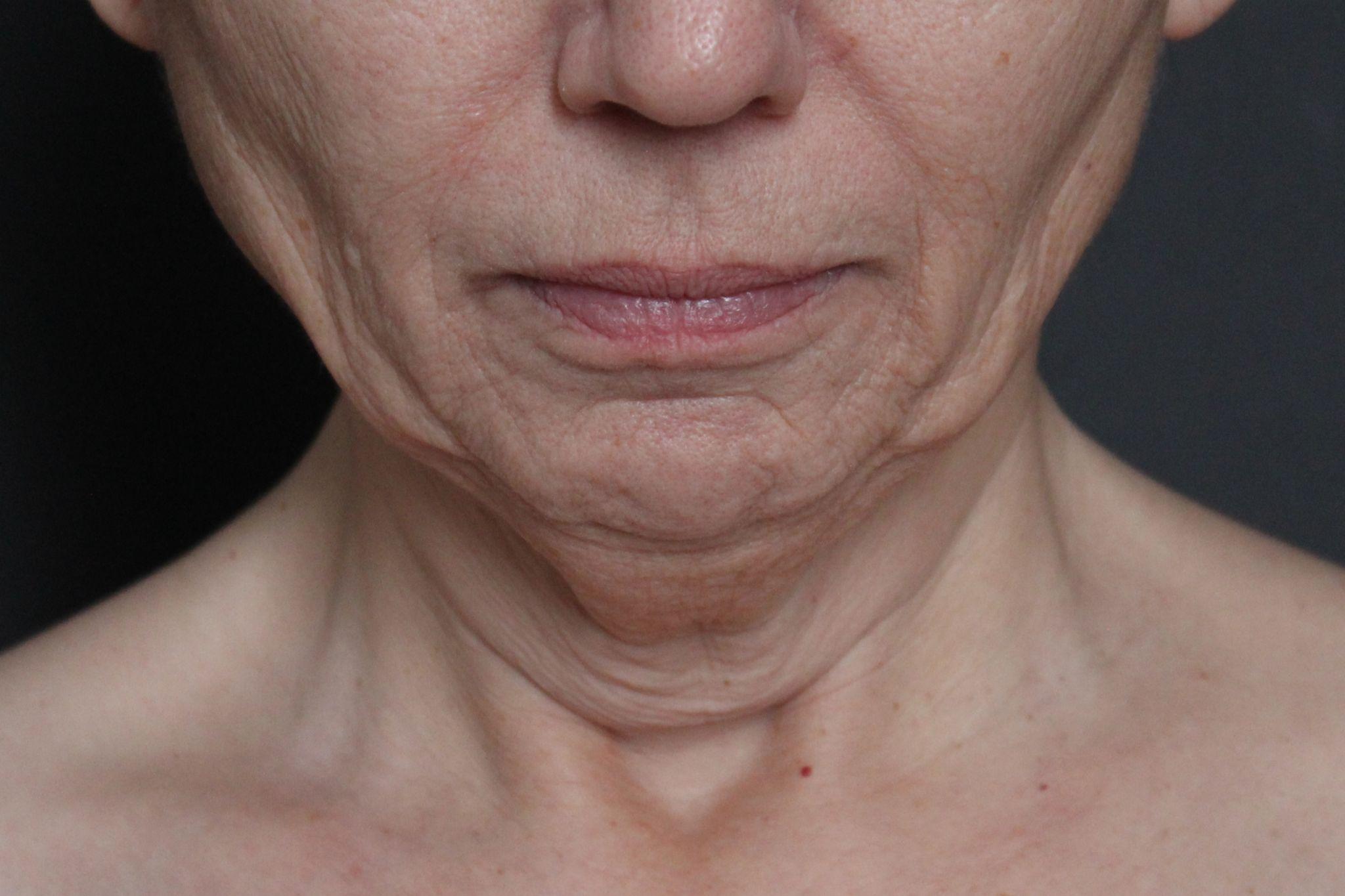
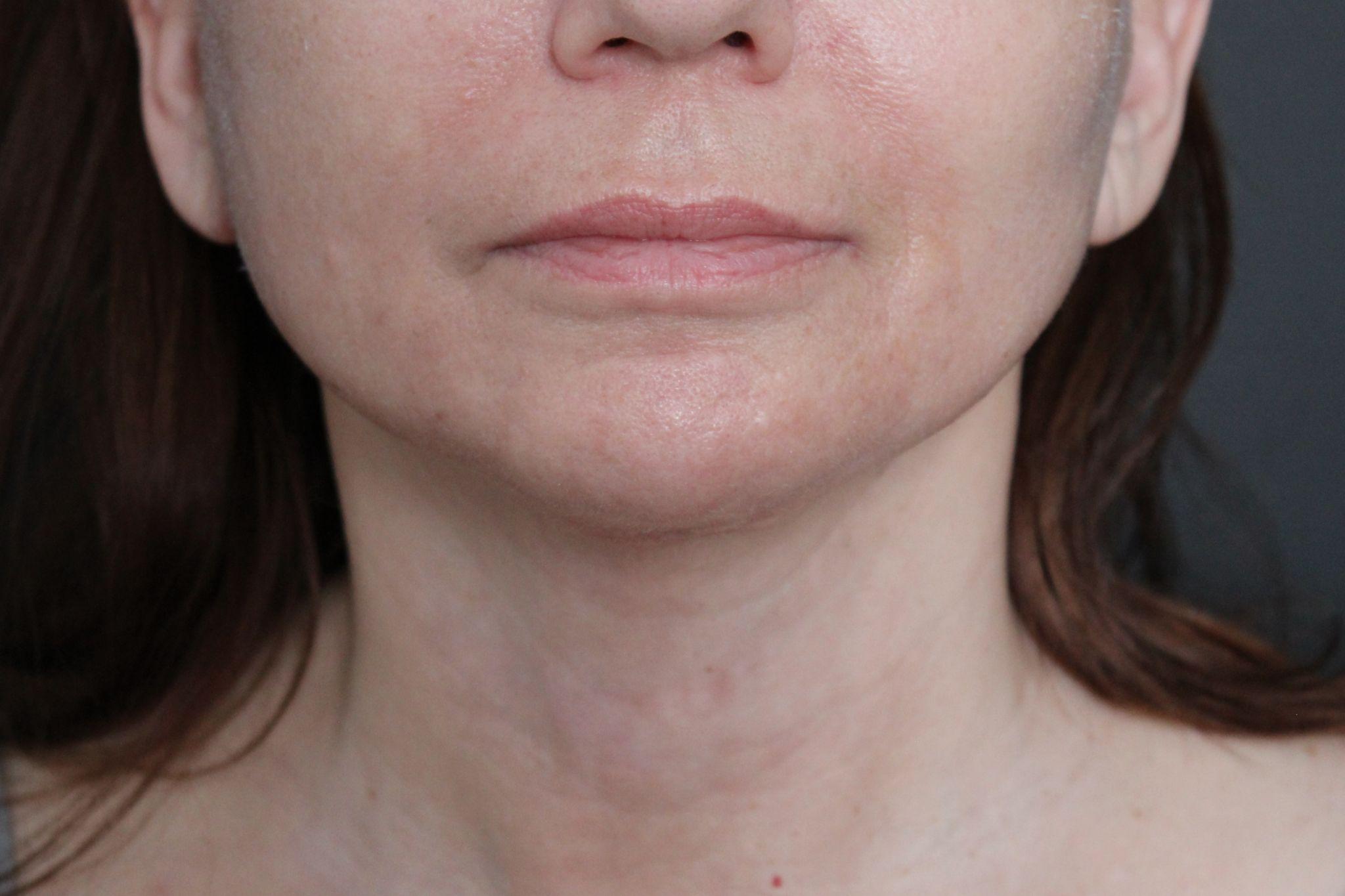
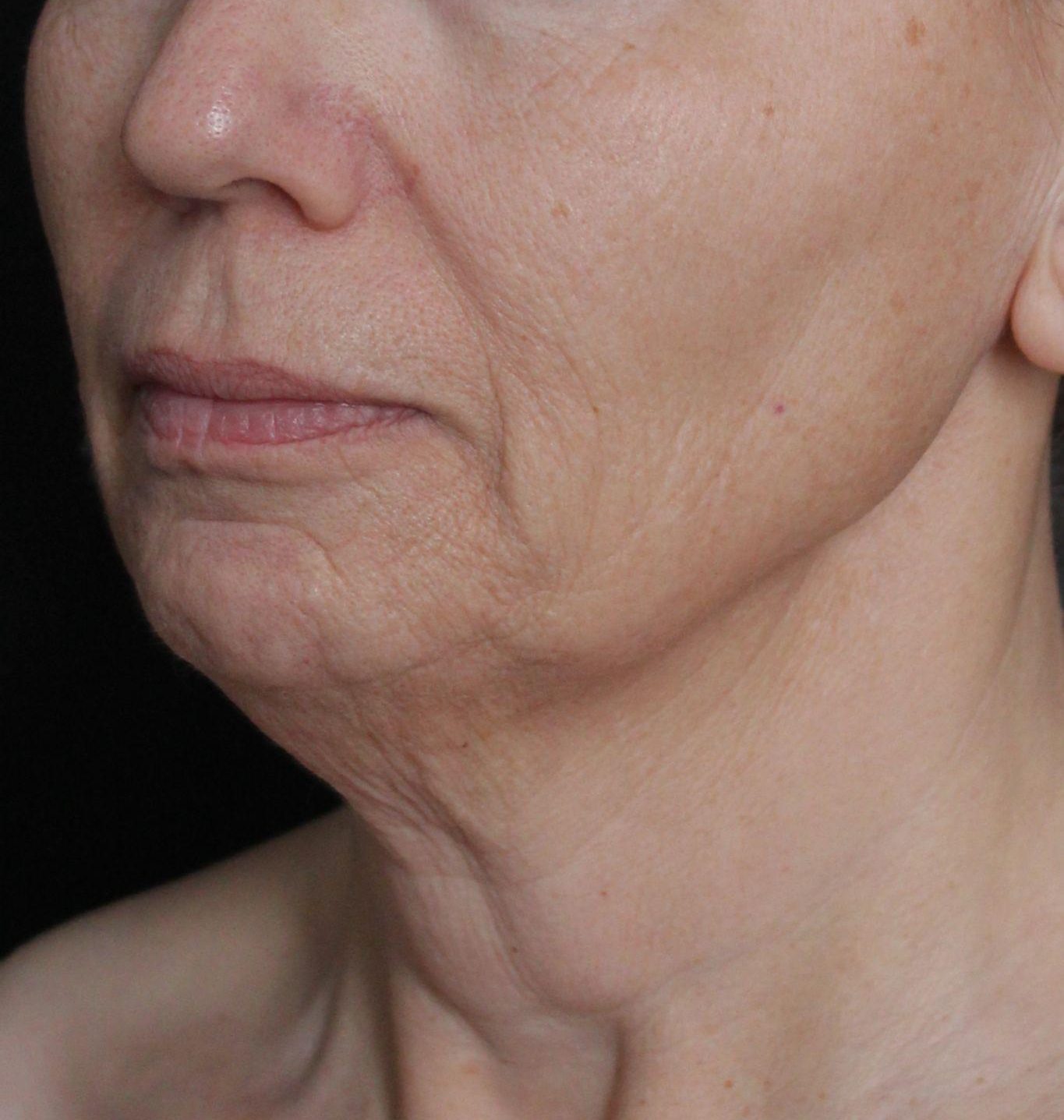
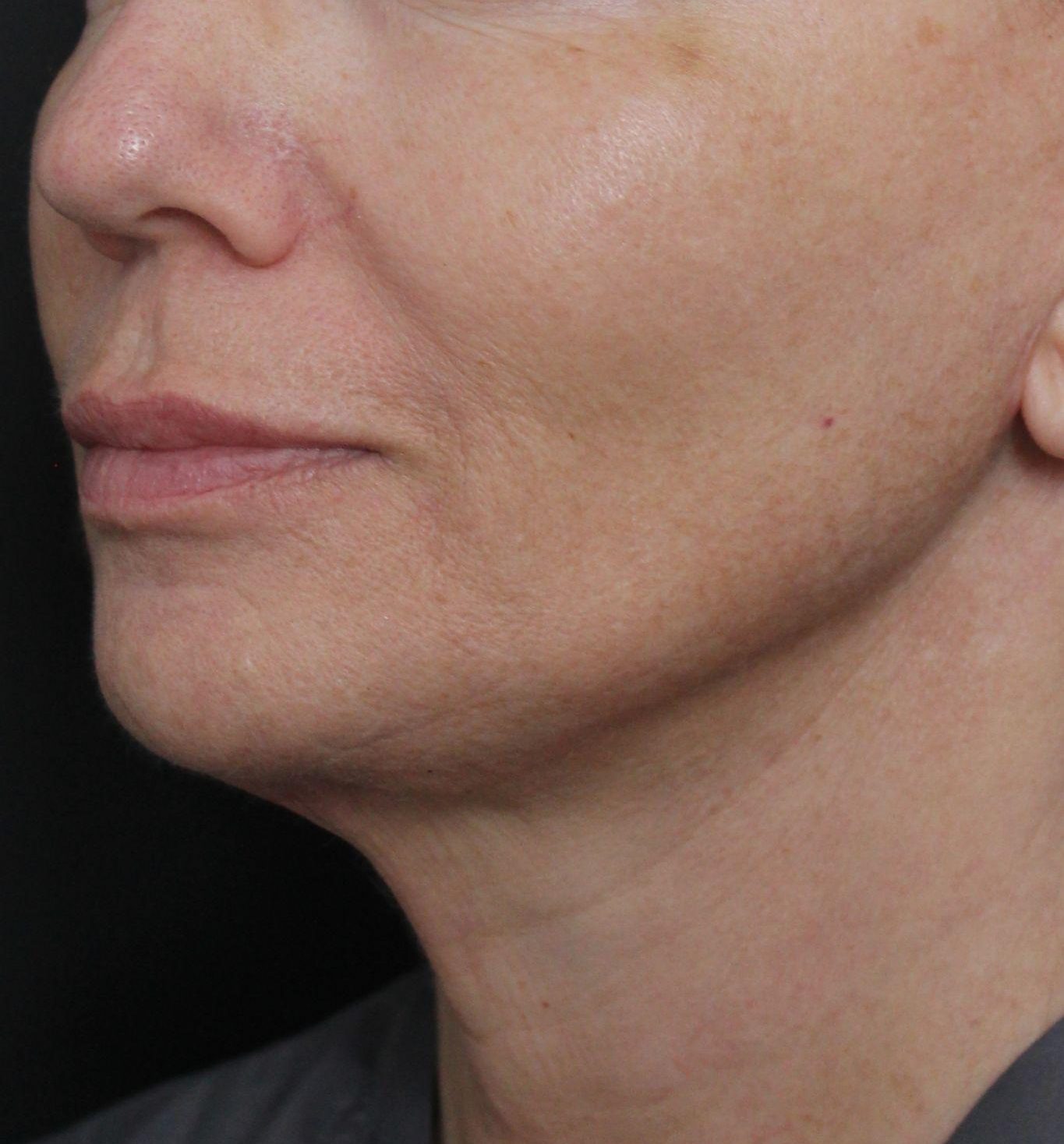
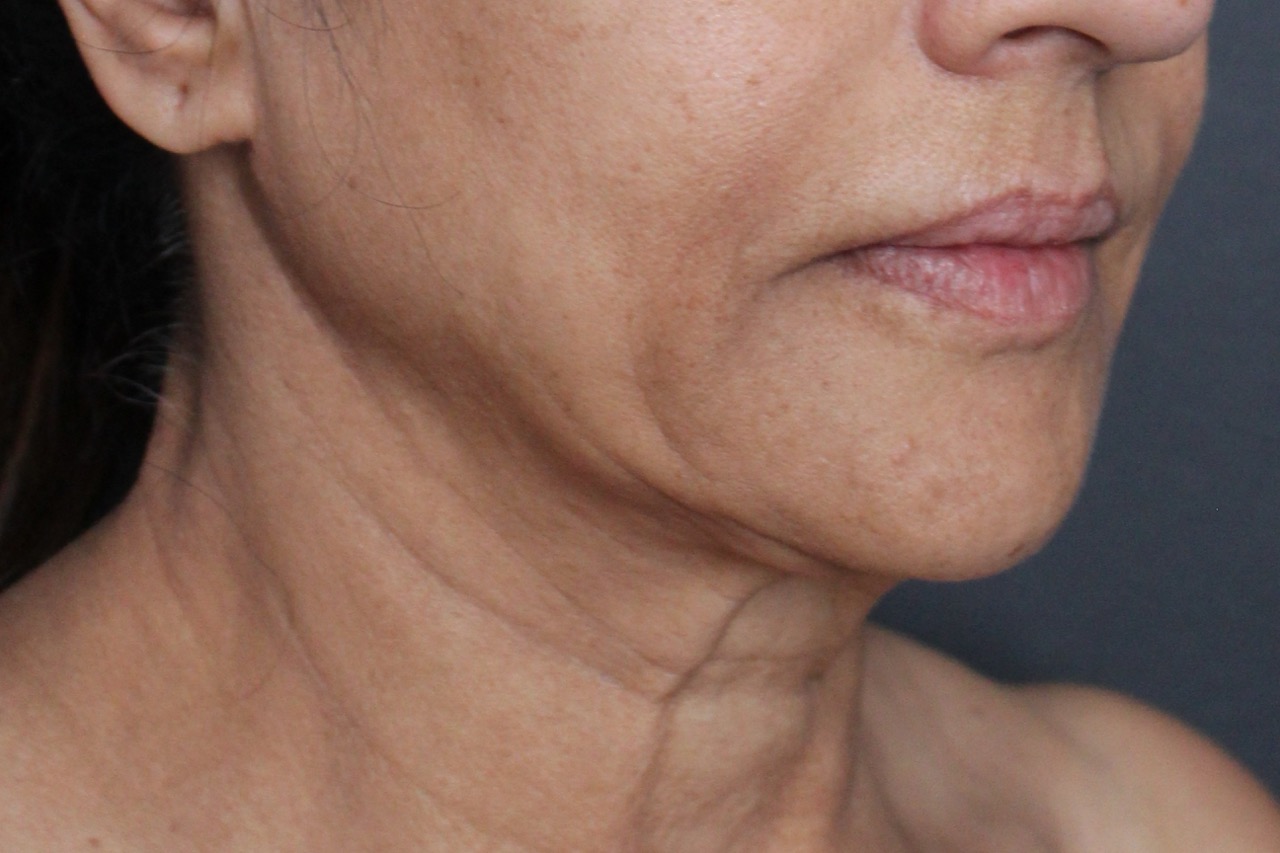
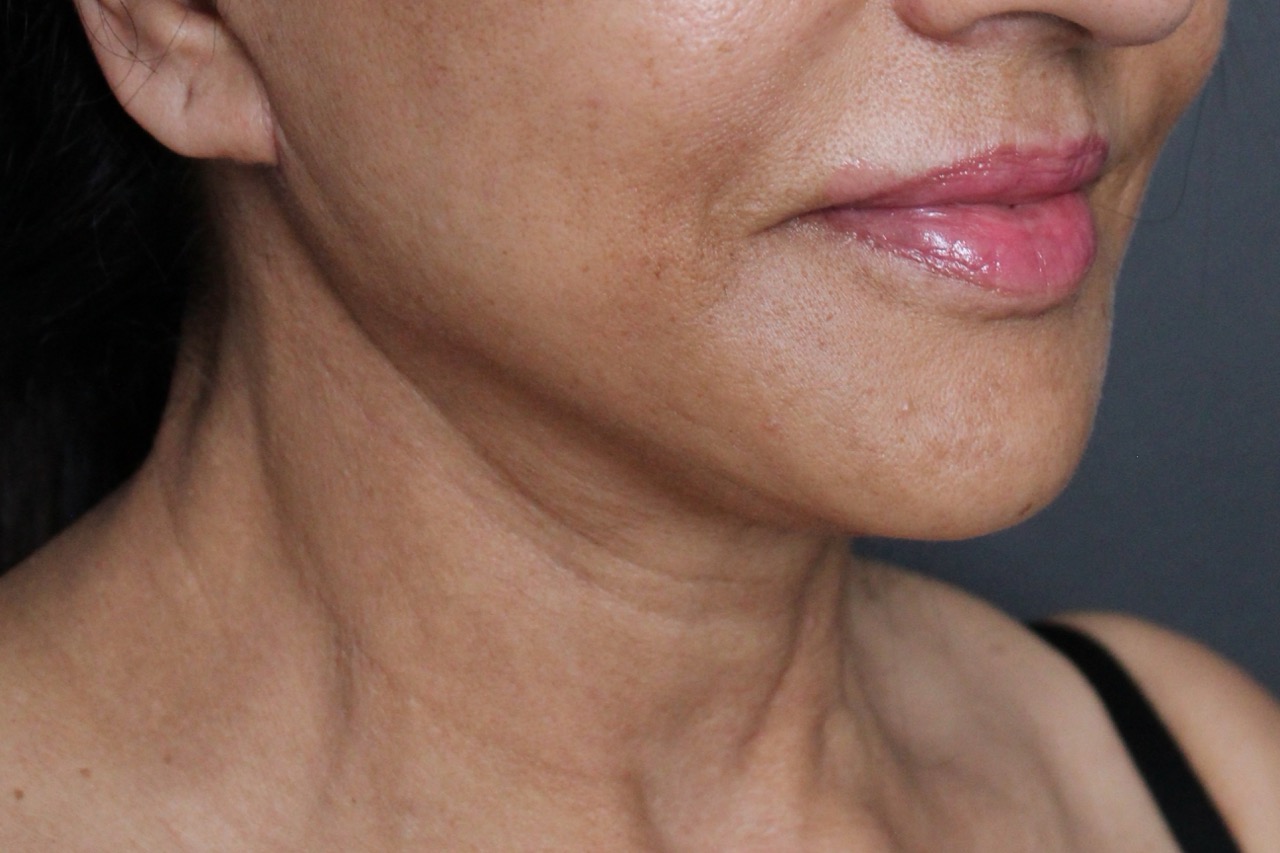
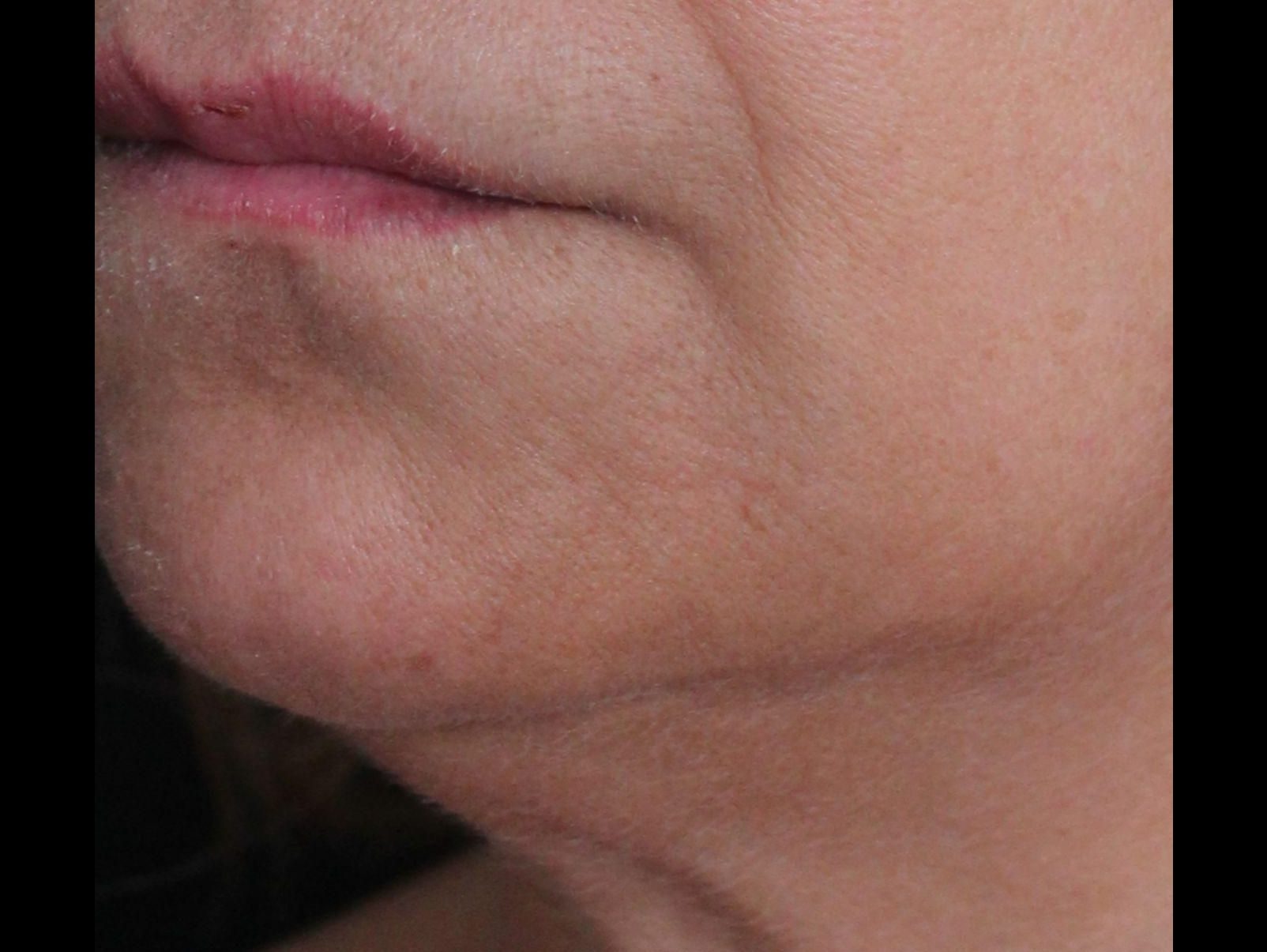
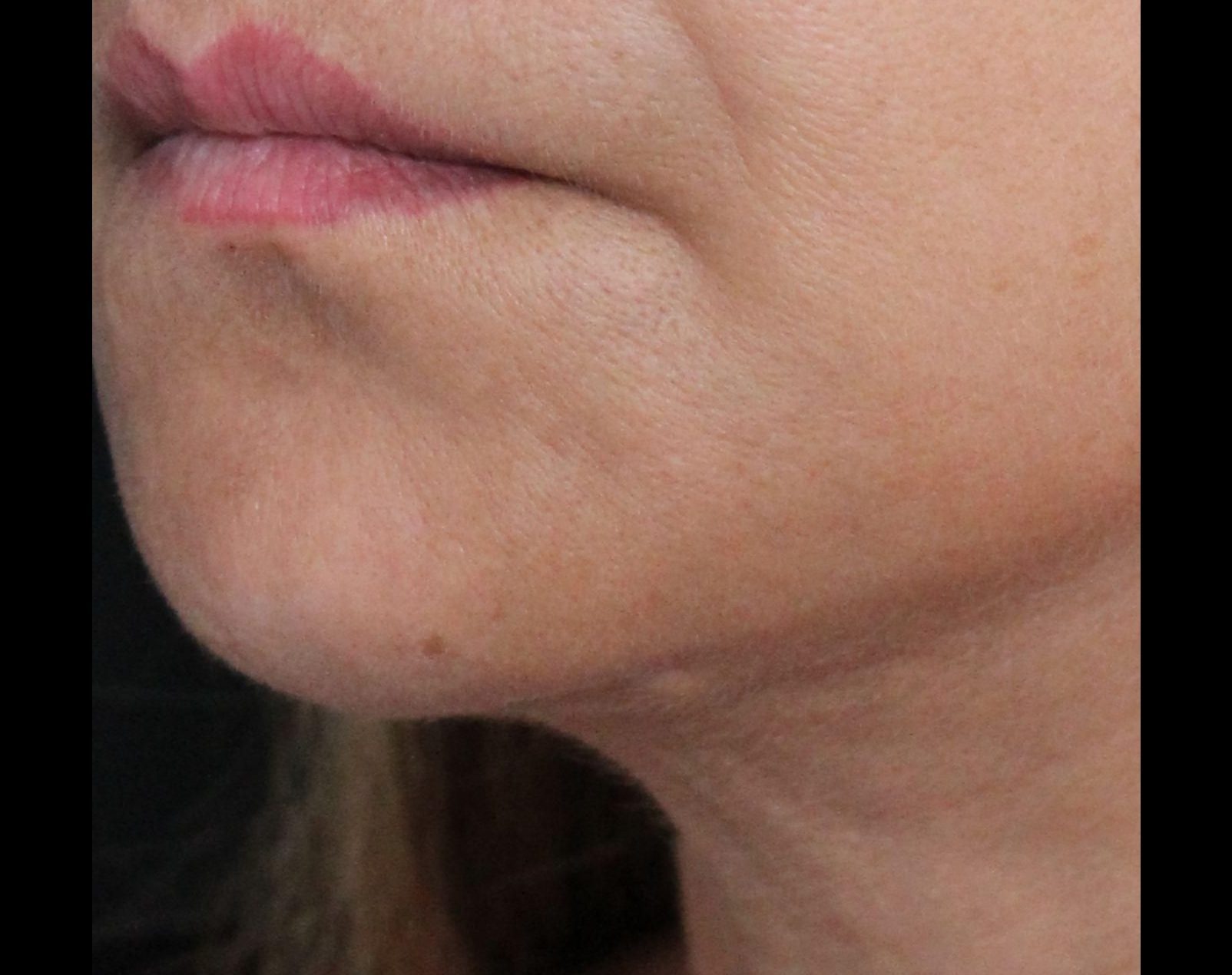
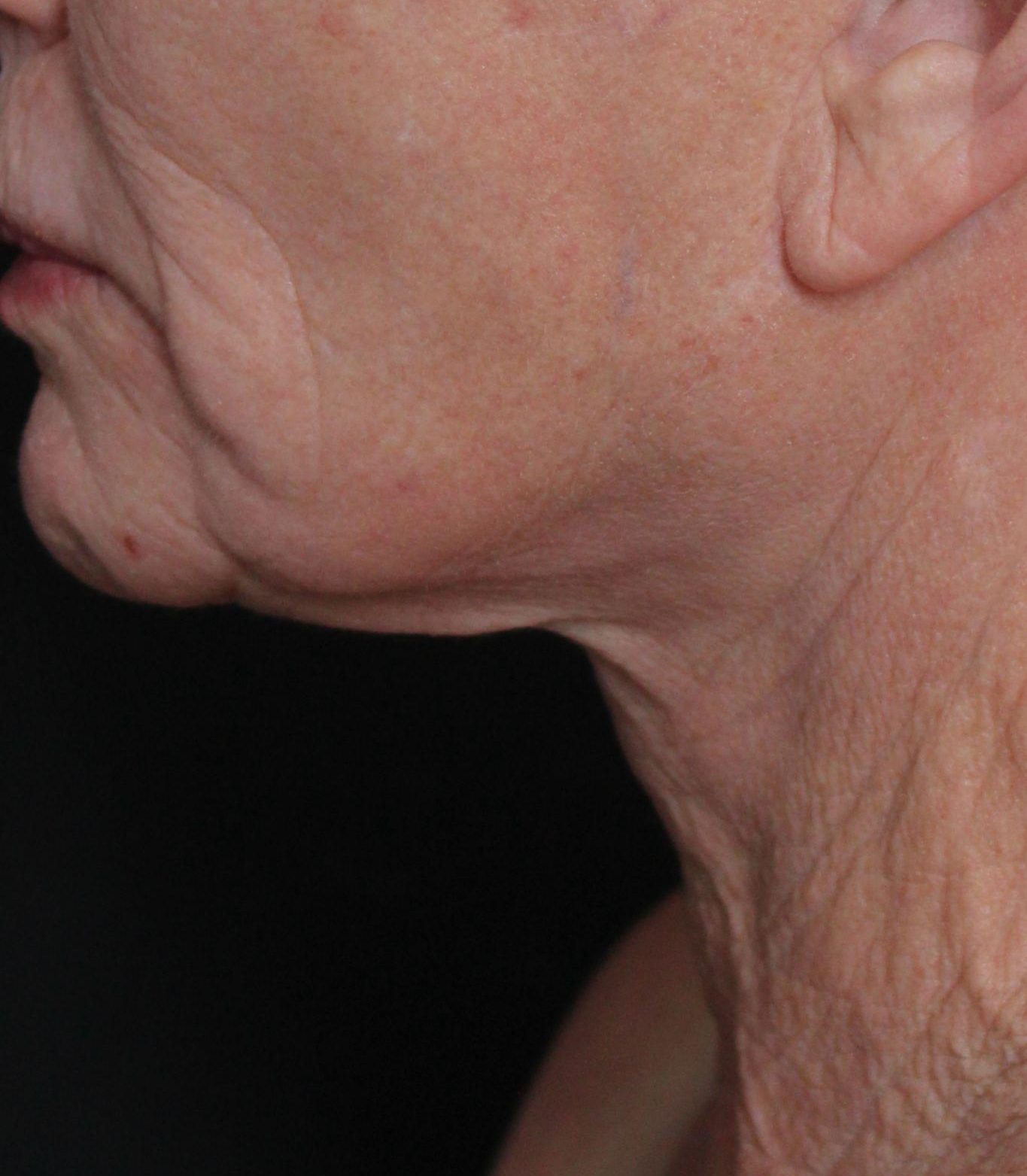
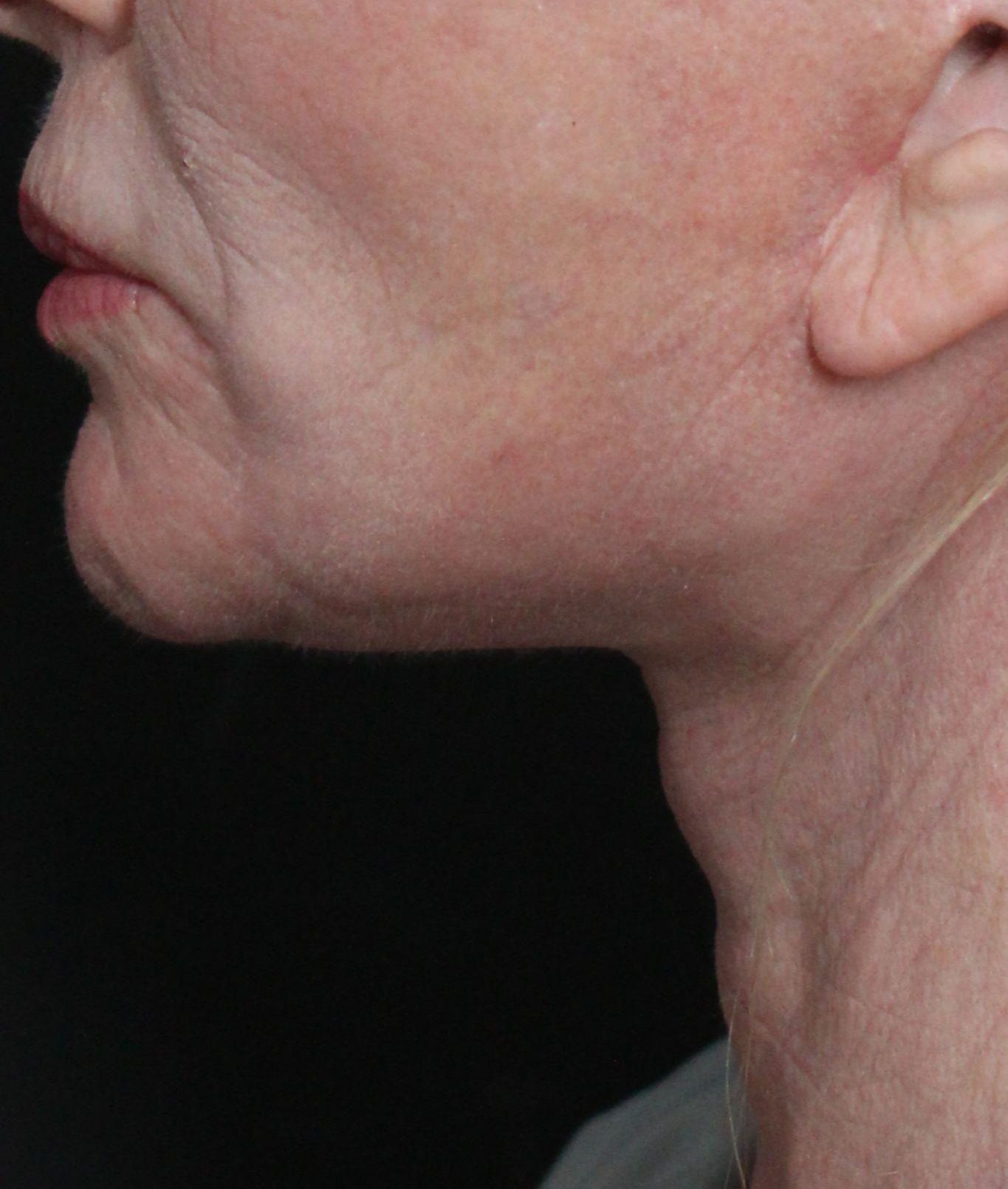
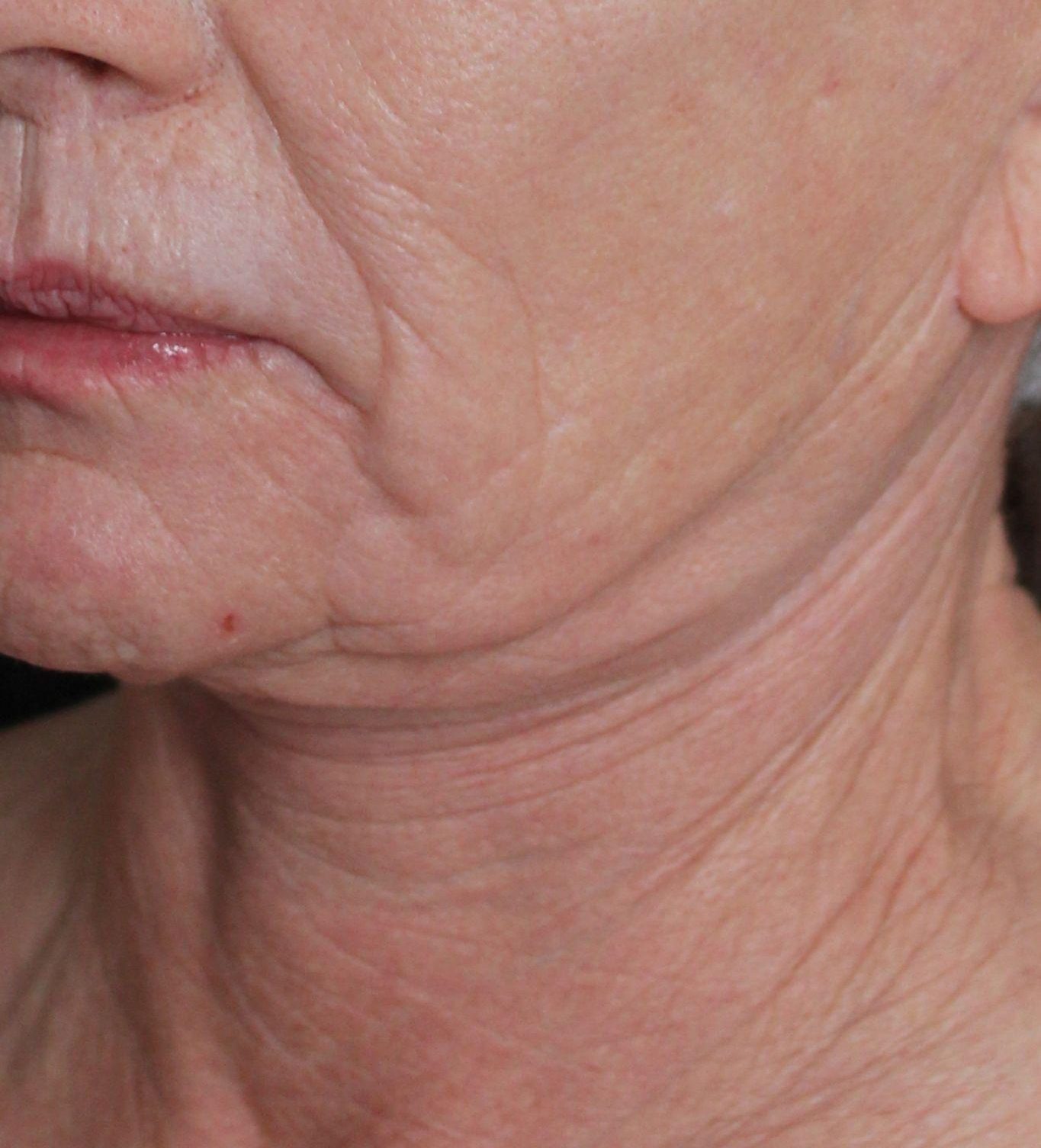
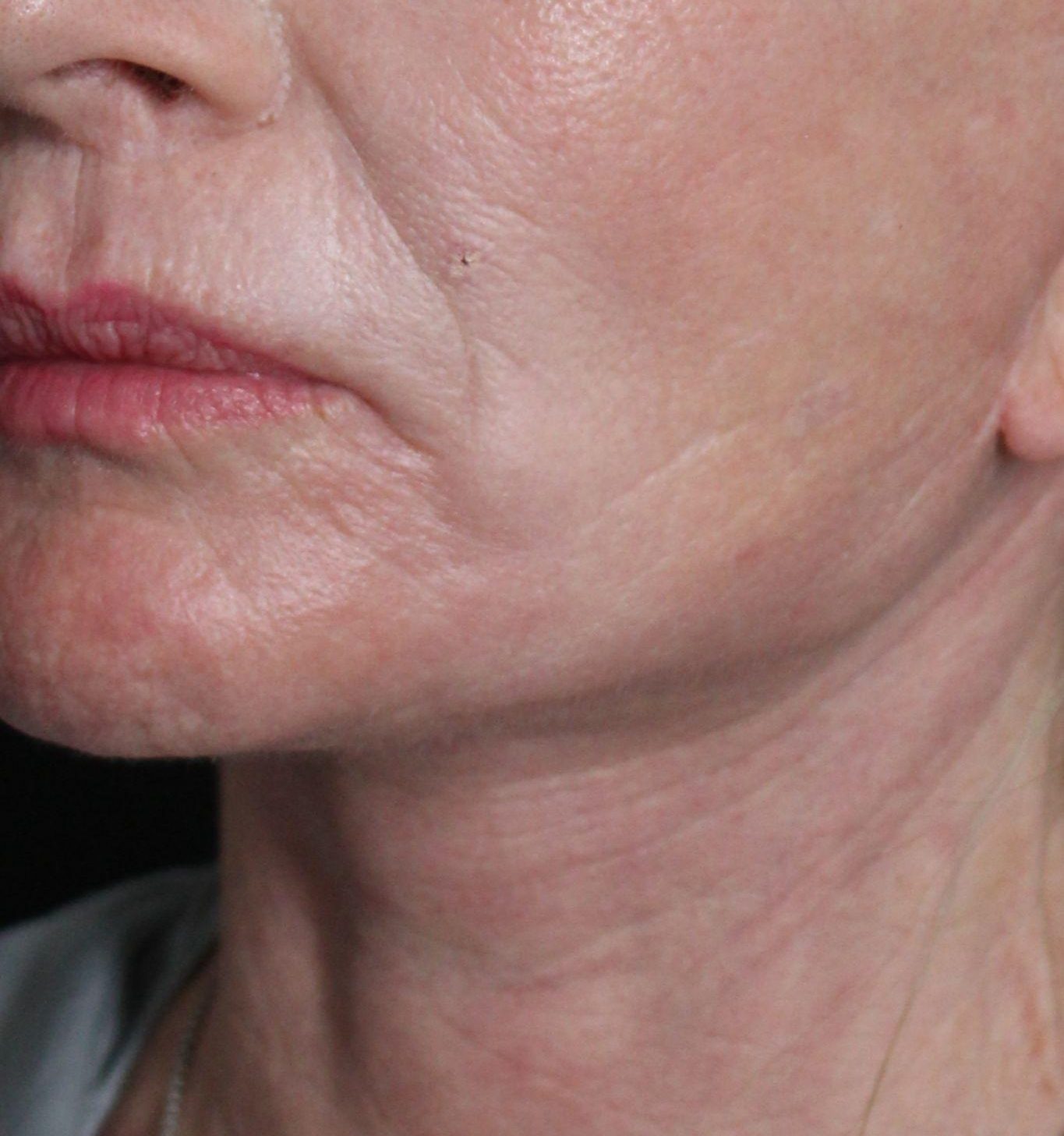
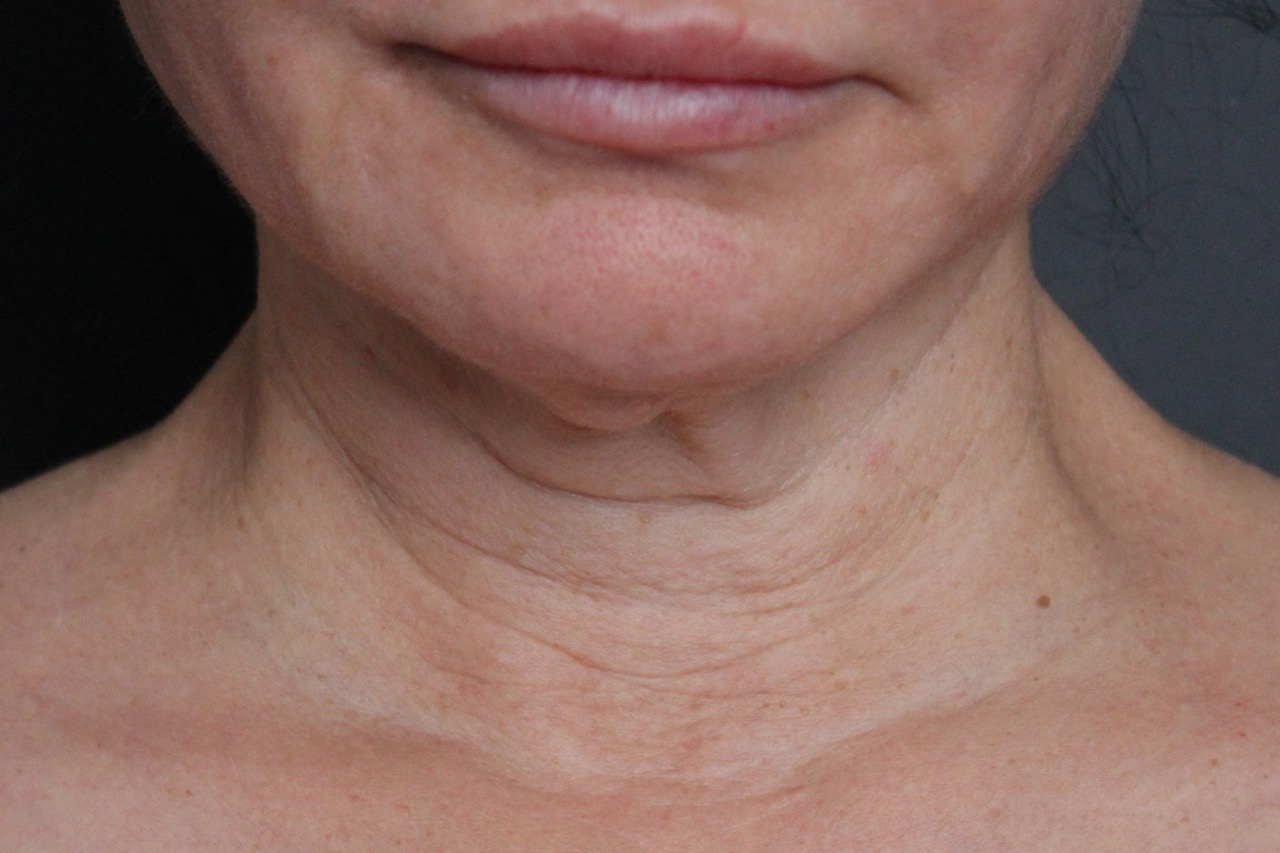
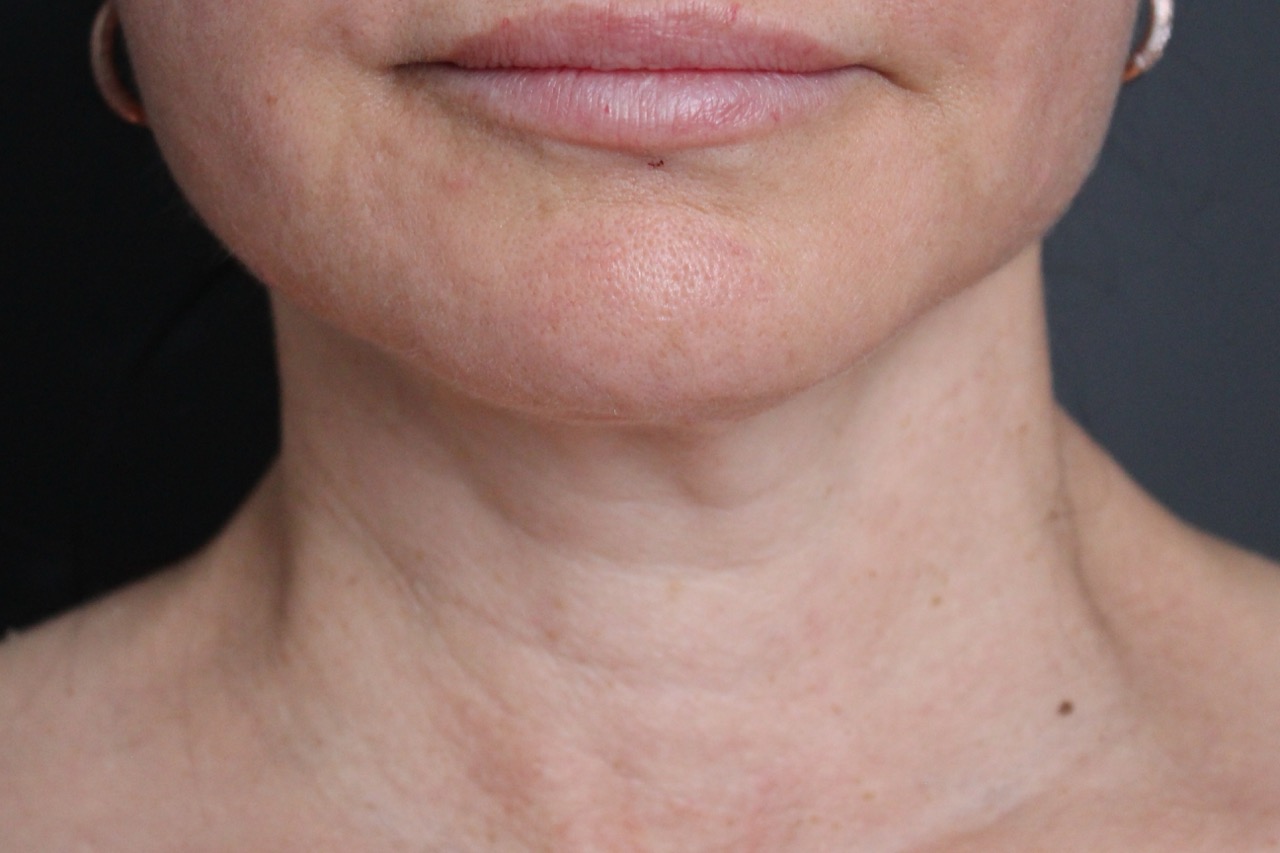
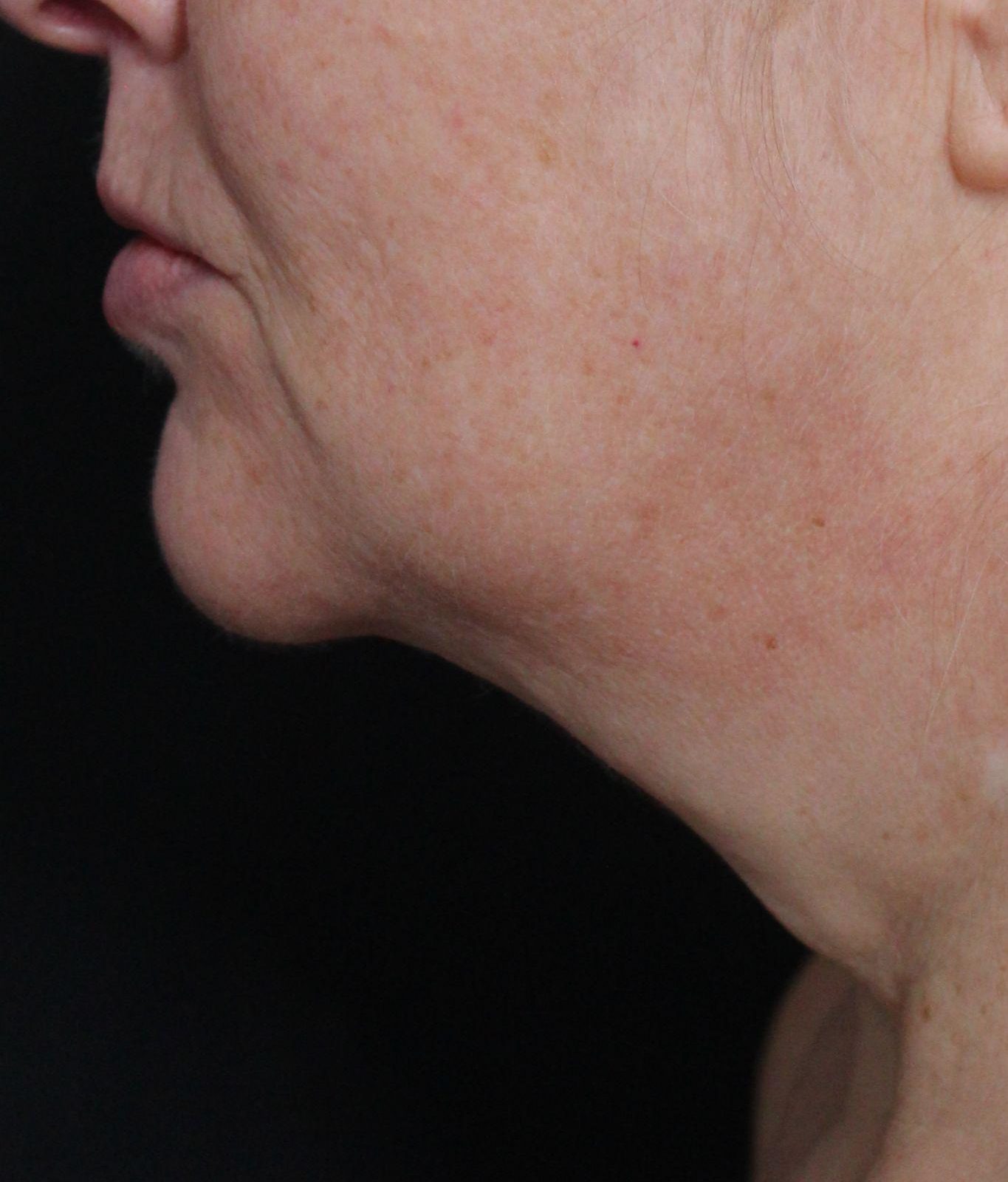
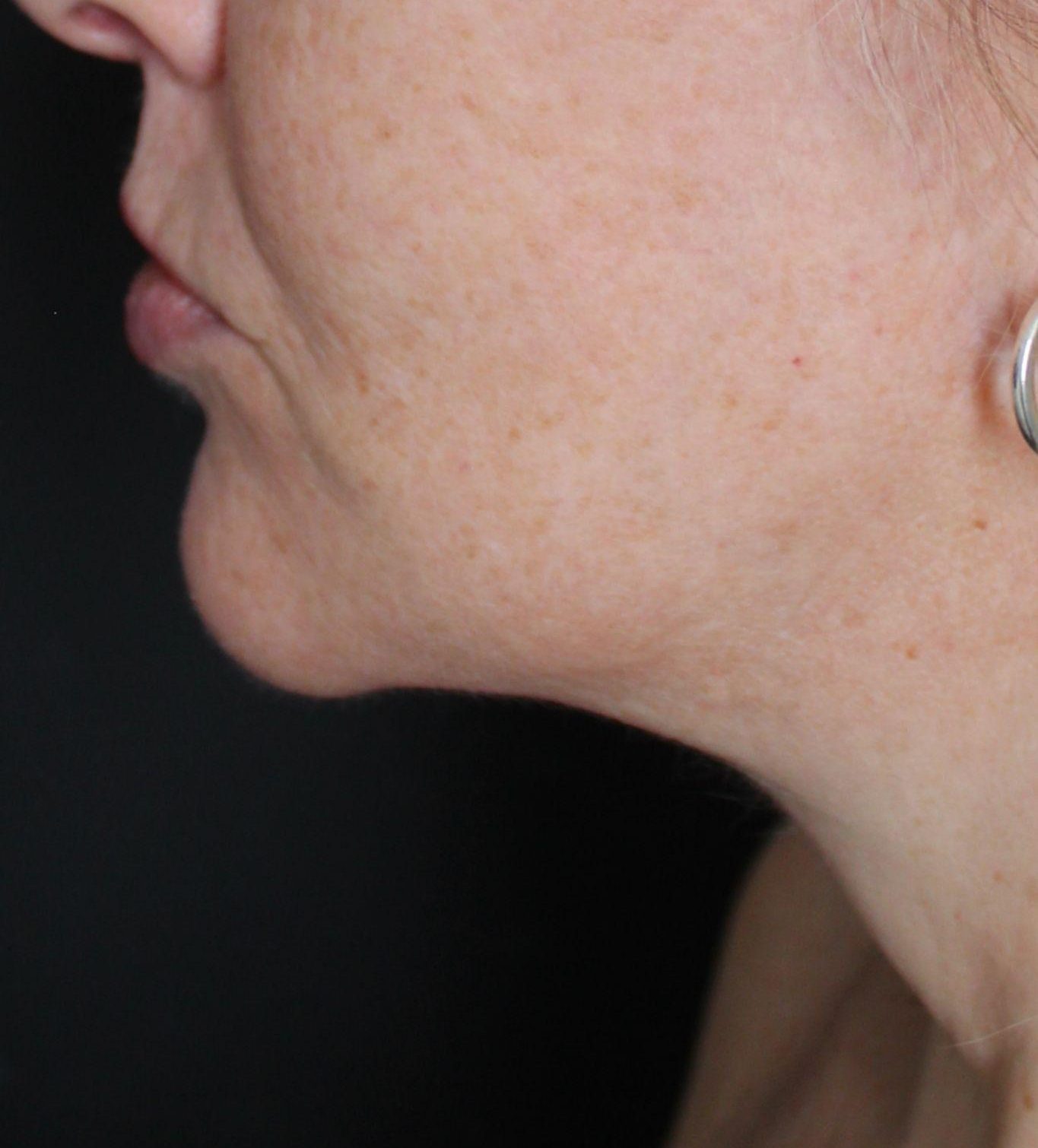
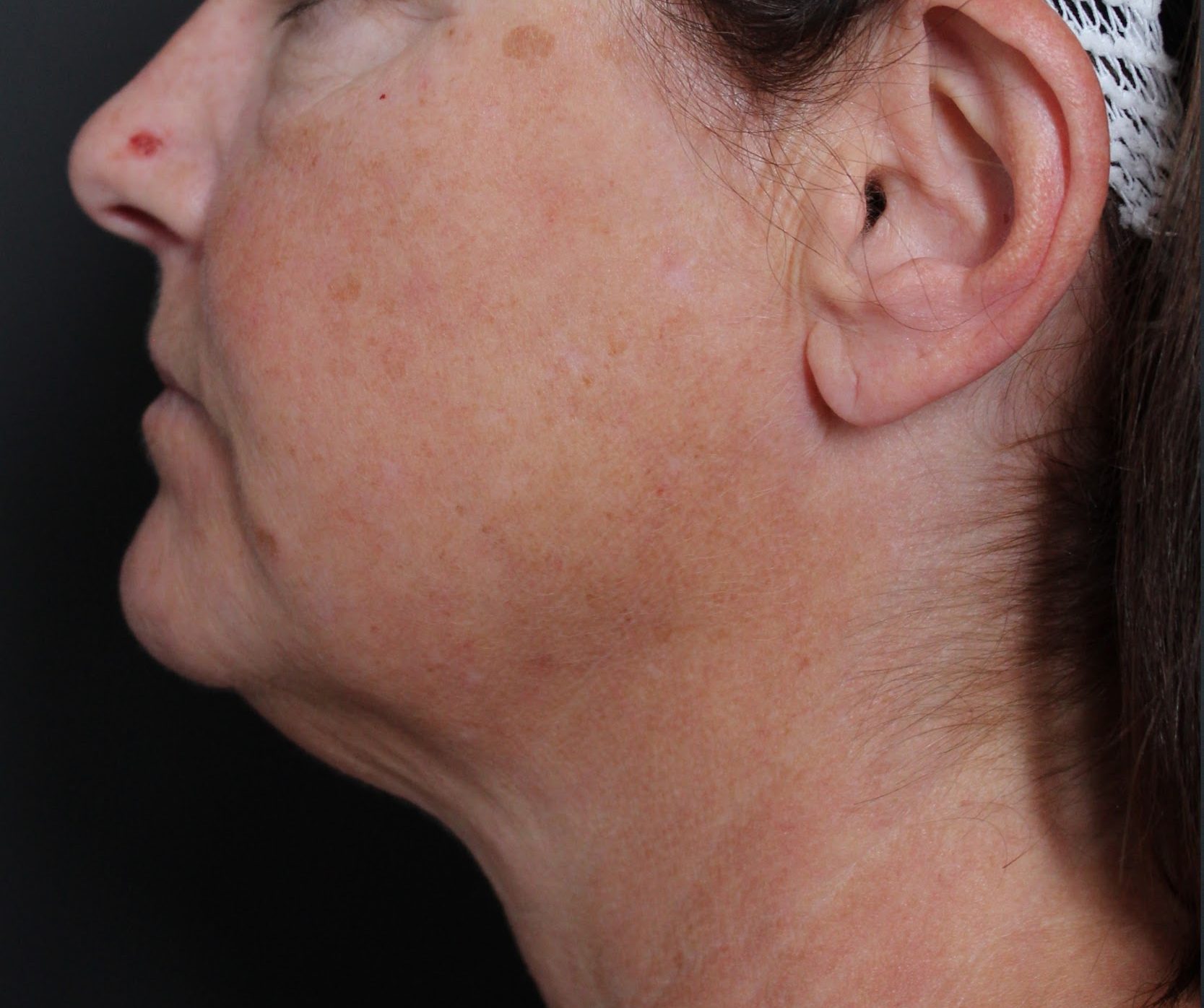
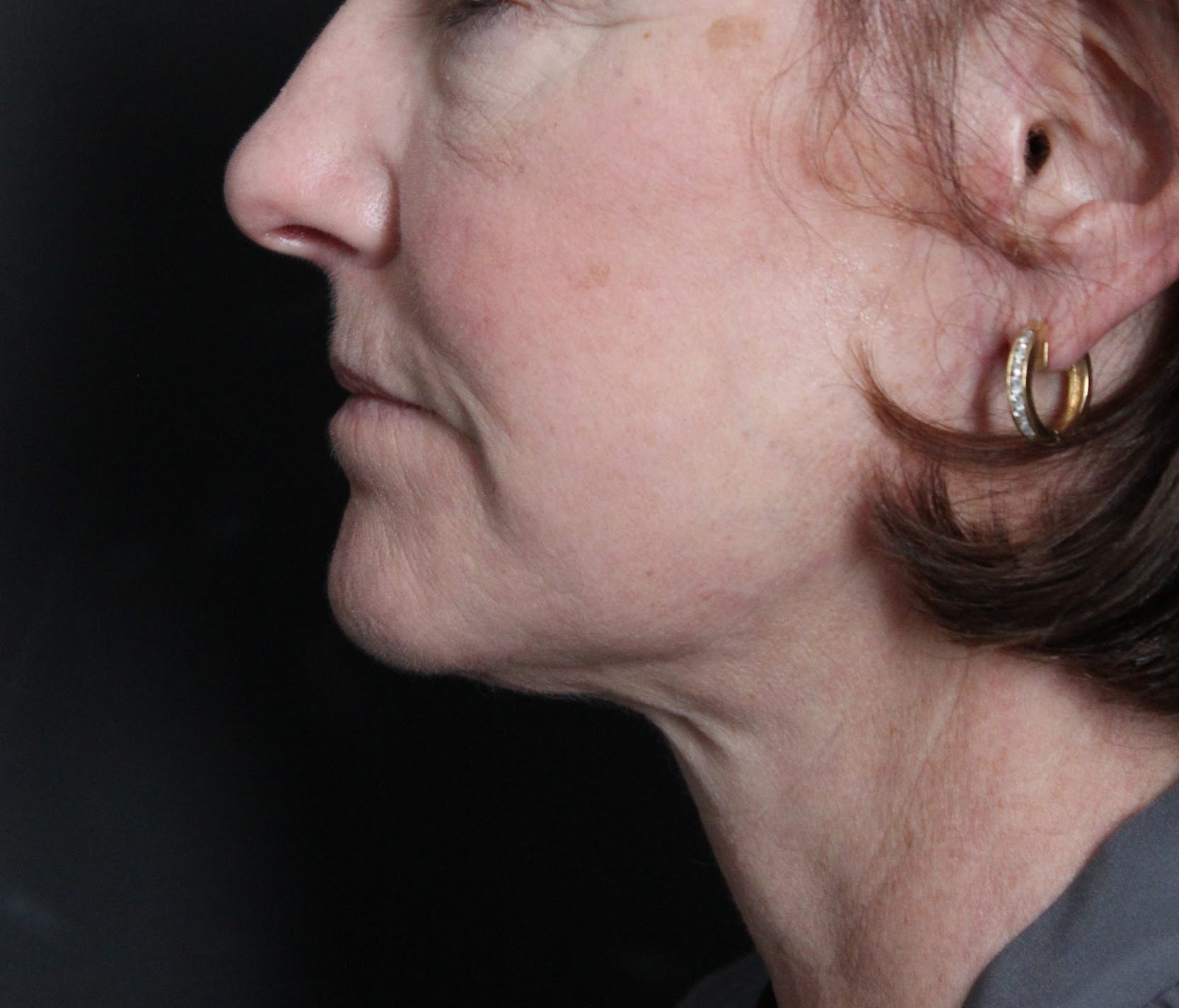
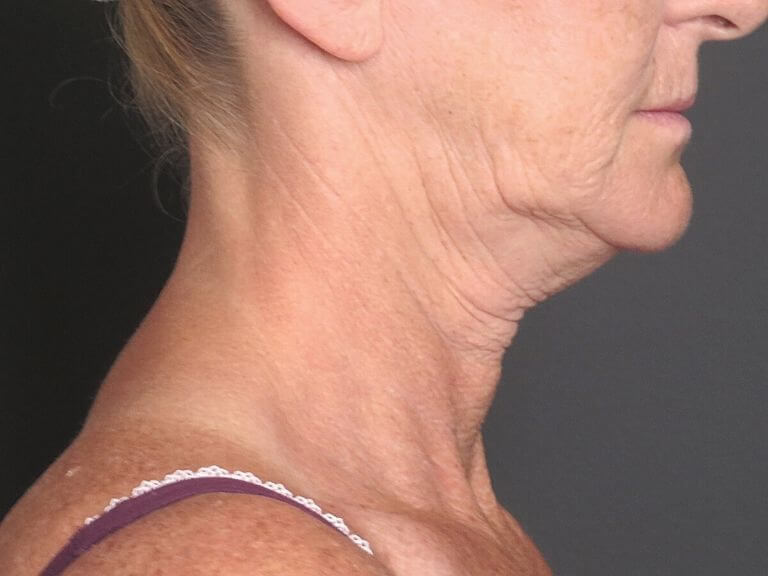
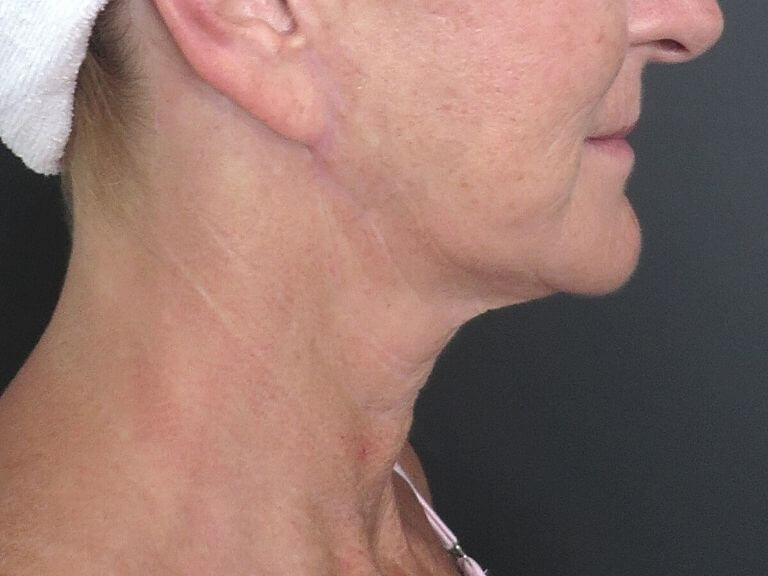
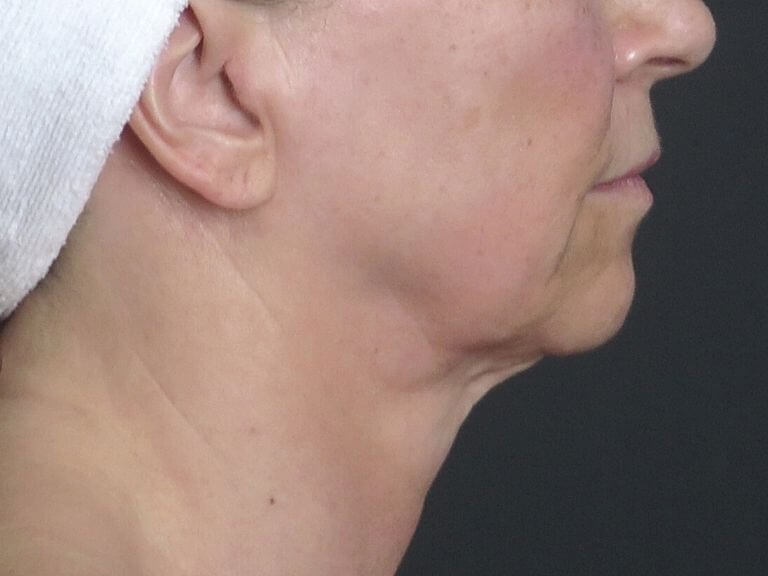
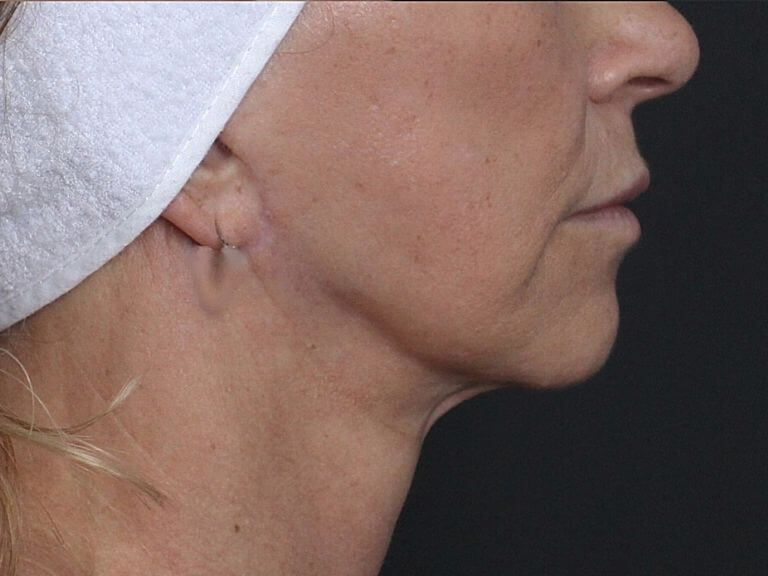
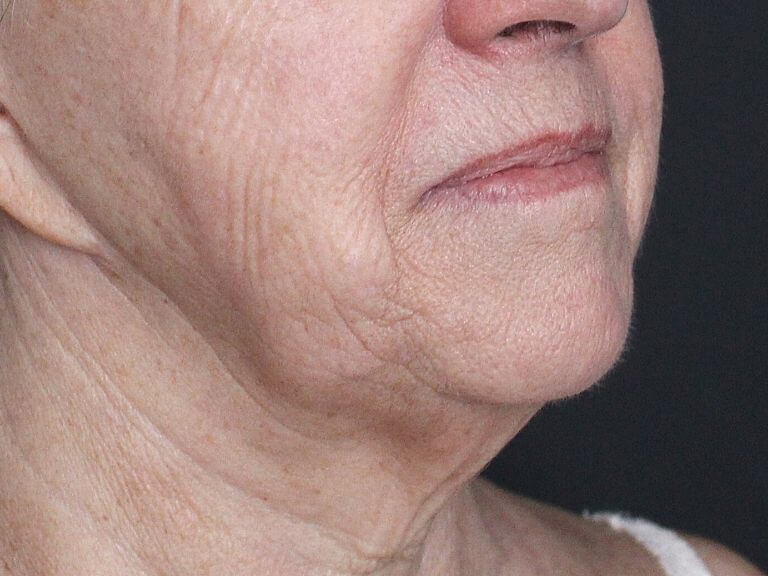
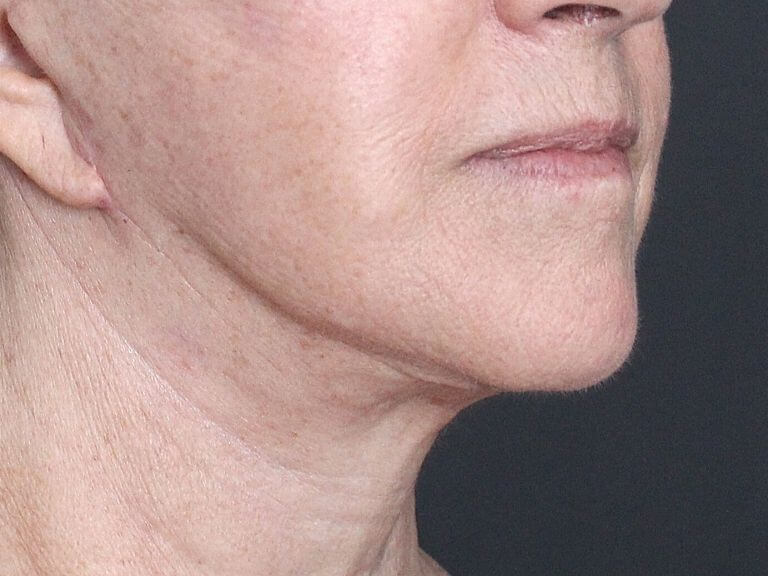
Before and After
Photos are for educational purposes only.
Featured Video
Frequently Asked Questions
-
What’s the difference between deep plane and SMAS?
A deep plane lift moves the skin and muscle together for advanced laxity. SMAS techniques adjust them separately for more control. Read more about SMAS vs. Deep Plane Facelift.
-
How long does facelift surgery take?
Most procedures take three to five hours, depending on the technique and any combined treatments.
-
Will I have visible scars, and where?
Incisions usually sit discreetly around the ears, hairline, or under the chin. They fade well with proper care.
-
What is a mini facelift, and who is it best for?
It’s ideal for mild sagging along the jawline. Shorter incisions mean quicker recovery, often within two weeks.
-
How painful is recovery, and how long until I’m “photo-ready”?
Discomfort is mild and manageable with medication. Most patients feel confident going out at three to four weeks.
-
Is 60 or 70 too late for a facelift?
Not at all. Health and skin quality matter more than age. Many patients in their 60s or 70s see excellent results.
-
Does a facelift include the eyes or the forehead?
No. It treats the mid and lower face. Add a brow lift or eyelid surgery for full-face rejuvenation.
-
How long do results last?
Typically five to 10 years, sometimes longer, with good habits and maintenance treatments.
Why Choose ICLS for Facelift Surgery
Here are just some of the reasons we’re a preferred provider for a range of surgical and non-surgical procedures in the GTA.
- Experience you can see: For nearly three decades, ICLS has cared for the Oakville and Greater Toronto community. We have a reputation for natural-looking outcomes and patient-first care.
- Trusted by Canadians: We’ve supported a large patient community with a high volume of active charts and numerous five-star reviews.
- A true one-stop model: Our on-site dermatology and plastic surgery teams collaborate daily. We can support your surgical plan with the right skin and laser strategies before and after.
- Accredited surgical facility: Safety is paramount at every step, from anesthesia protocols to recovery.
- Research mindset: Our in-house clinical research capability keeps us engaged with innovation while allowing us to practice what’s proven to work.
At ICLS, we treat patients like family, supportive, honest, and focused on what will serve you best for the long term.
Meet One of the Best Facelift Surgeons in Greater Toronto Area
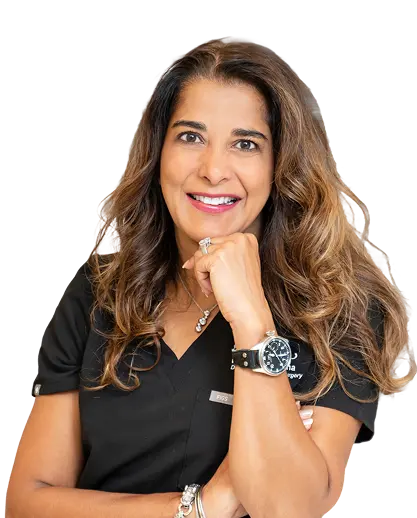
Dr. Julie Khanna
Our internationally-renowned, double board-certified plastic surgeon is considered a leader in breast reshaping, body contouring and facial anti-aging procedures. Combining well-honed surgical skill with a commitment to ethical care, Dr. Julie Khanna looks beyond the procedure to the patient as a whole, from inner self to outer beauty.
Dr. Khanna’s Profile