Mole Removal in Oakville, Ontario
At ICLS Plastic Surgery in Oakville, Dr. Julie Khanna, MD, FRCSC, ABPS, offers expert mole removal surgery to patients from Toronto, Mississauga, and the Greater Toronto Area. With over 30 years of experience and more than 400,000 patients treated, Dr. Khanna specializes in safe, precise techniques that improve skin appearance while keeping patient safety a top priority.
Moles are extremely common and often harmless, but some may cause cosmetic concerns or require medical evaluation. At ICLS Plastic Surgery, mole removal is performed using carefully controlled surgical techniques that allow for accurate diagnosis, effective removal, and minimal scarring.
What Are Moles? (Understanding the Concern)
Moles, also called nevi, are common skin growths made up of clusters of pigment-producing cells called melanocytes. These cells give skin its color, and when they gather in one spot, a mole forms.
Most people have between 10 and 40 moles on their bodies. Moles can vary widely in appearance, including differences in:
- Colour (tan, brown, black, or flesh-toned)
- Shape (flat or raised)
- Size (small dots to larger growths)
- Texture (smooth or slightly rough)
Most moles are benign, which means they are not harmful. Others can change over time or show signs that need a doctor’s attention.
Doctors often recommend monitoring moles using the ABCDE rule, which helps identify potential warning signs of melanoma:
- A – Asymmetry: One half differs from the other
- B – Border: Edges appear irregular or uneven
- C – Colour: Multiple shades or colour changes
- D – Diameter: Larger than 6 millimeters
- E – Evolving: Any change in size, shape, or colour
While most moles remain stable for years, changes should always be evaluated by a qualified medical professional.
Types of Moles
Moles can be divided into several types depending on when they develop and how they appear.
Congenital moles are present at birth. These may remain stable throughout life but occasionally require monitoring if they are large or change over time.
Acquired moles develop later in life and are the most common type. These typically appear during childhood or early adulthood, when melanocytes cluster in specific areas of the skin.
Atypical moles, also known as dysplastic nevi or Clark’s nevi, can have uneven borders, color changes, or unusual shapes. Many are harmless, but they may be more likely to develop into melanoma and should be checked by a doctor.
Understanding the characteristics of each type helps guide decisions about monitoring, biopsy, or surgical removal.
When Should a Mole Be Assessed by a Surgeon?
Most moles are harmless, but some changes warrant seeing a medical professional.
Signs that need a check include:
- Asymmetry or uneven shape
- Irregular or poorly defined borders
- Changes in colour or multiple colour tones
- Diameter larger than 6 mm
- Rapid growth or evolution over time
These features correspond with the ABCDE warning signs of melanoma and should not be ignored.
At ICLS Plastic Surgery, all removed moles are routinely sent to pathology. This means each sample is carefully examined under a microscope to determine whether it is benign or requires further care. This step gives patients extra peace of mind and helps catch any unexpected issues early.
Mole Removal Methods at ICLS Surgery
At ICLS Plastic Surgery, various methods are available for mole removal. These methods allow for precise treatment and accurate diagnosis, enabling us to send clean biopsy samples for pathology when needed.
The technique used depends on factors like the mole’s size, location, depth, and appearance. Dr. Khanna reviews each case to determine the safest and most effective method.
Surgical Excision (Full Removal)
Surgical excision is typically recommended for larger moles, atypical moles, or moles that require full pathological evaluation.
During the procedure:
- The area is numbed using local anesthetic.
- The mole is removed with a small margin of surrounding tissue.
- The wound is closed with precise sutures.
This technique ensures that the entire mole is removed and allows the tissue to be sent for pathological examination.
Dr. Khanna carries out all surgical excisions at the accredited ICLS surgical center.
Cost: starting at $1100, depending on complexity.
Shave Excision
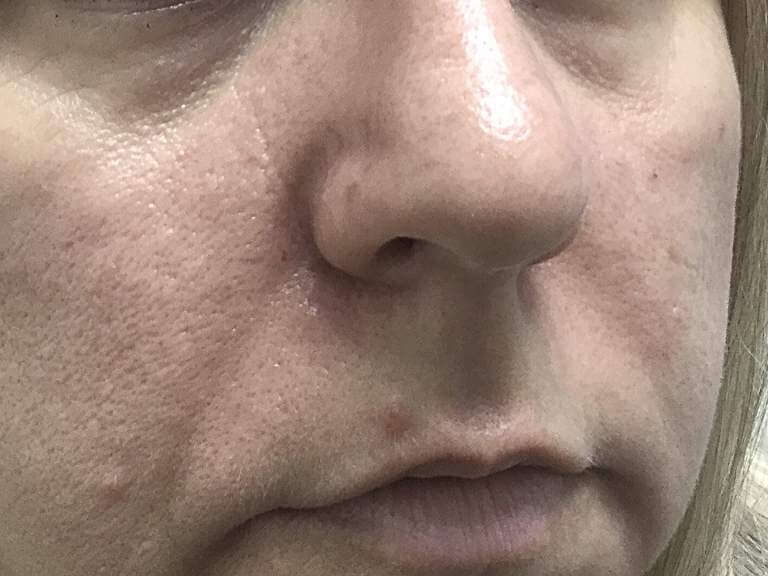
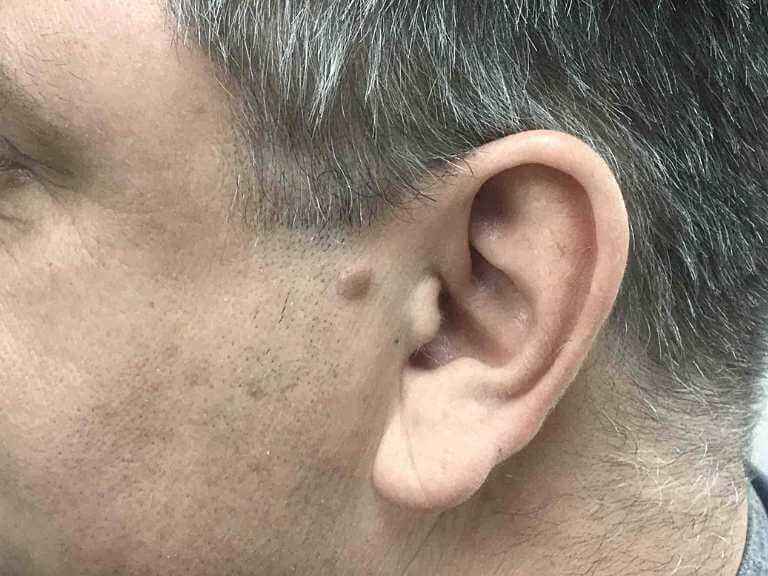
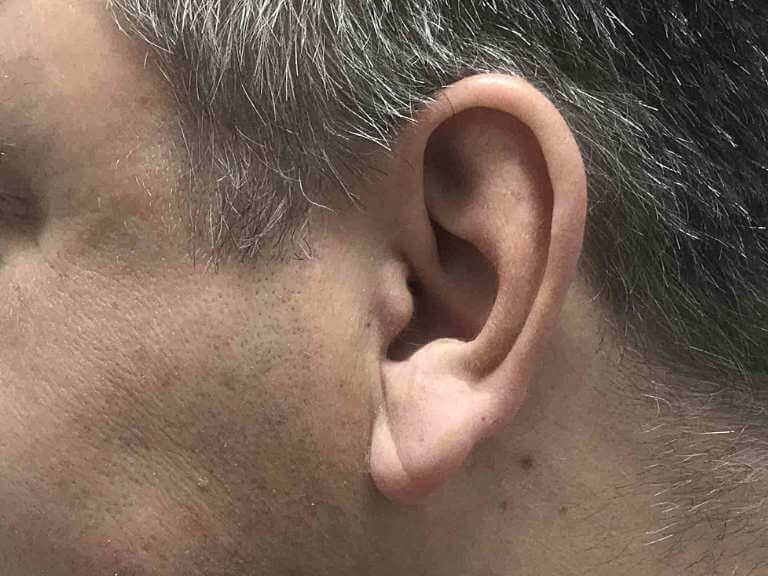
Shave excision is one of the most common techniques used for raised, benign moles.
In this procedure:
- Local anesthetic is injected into the area.
- The mole is carefully shaved flush with the skin surface using a surgical blade.
- Aluminum chloride is applied to stop any minor bleeding.
Since the mole is removed at the surface, no stitches are needed.
The procedure is quick, usually just a few minutes, and most patients have little to no downtime.
Cost:
- Starting at $575 first mole
- $185 per additional mole on the same day
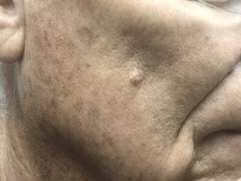
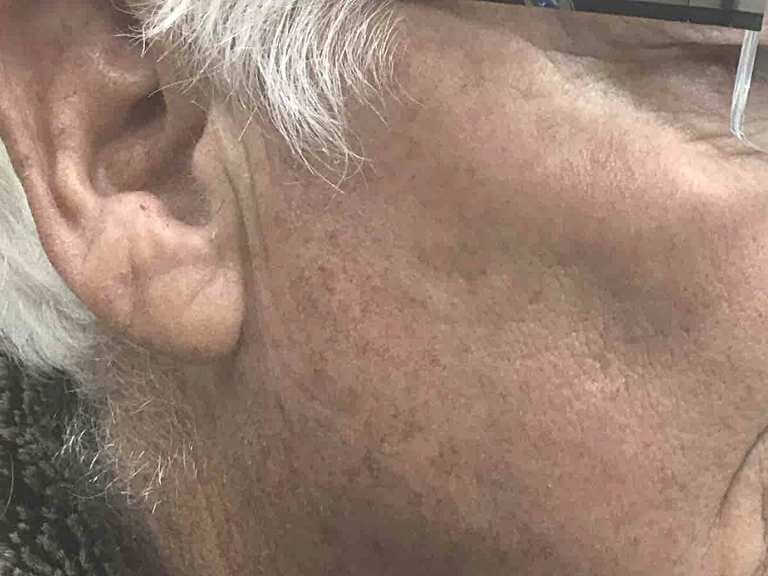
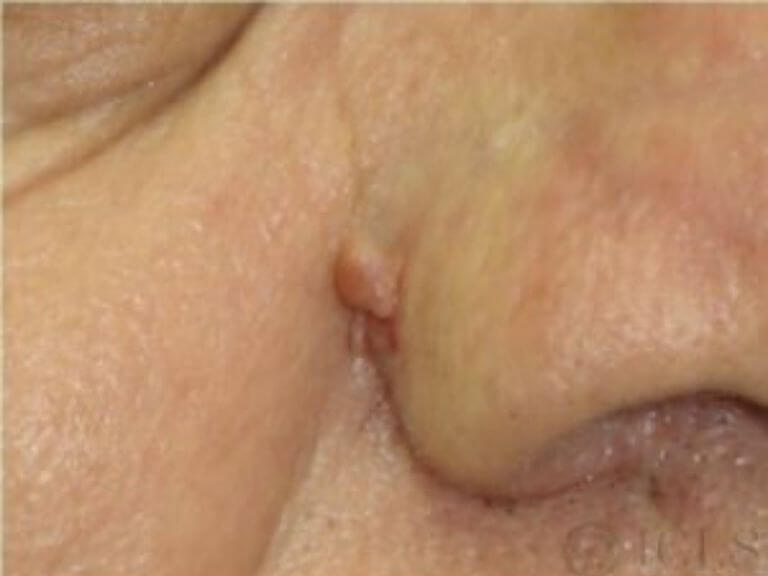
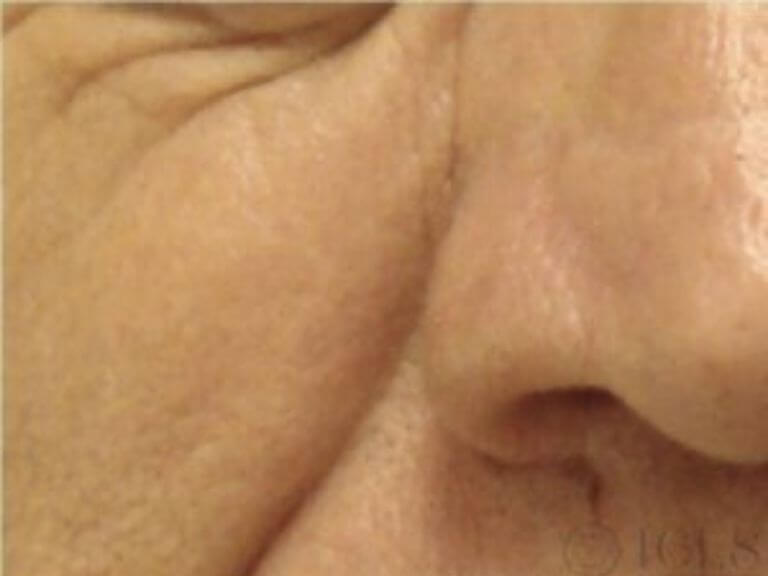
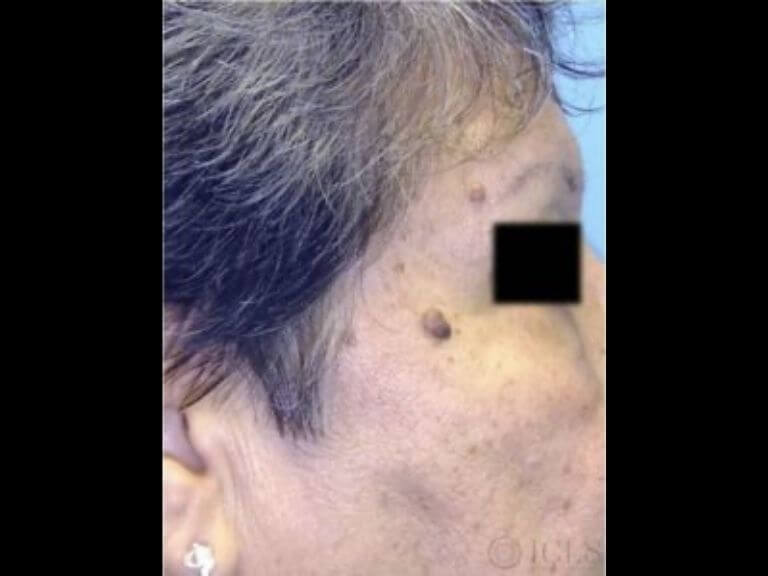
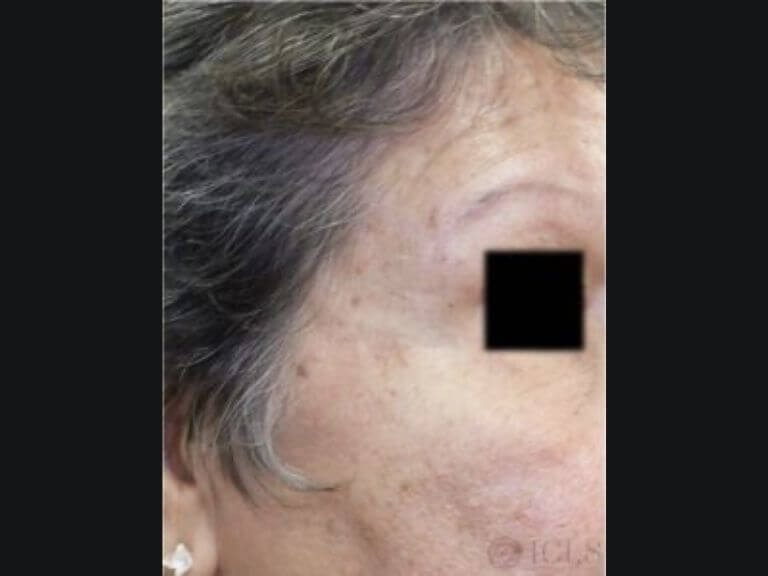
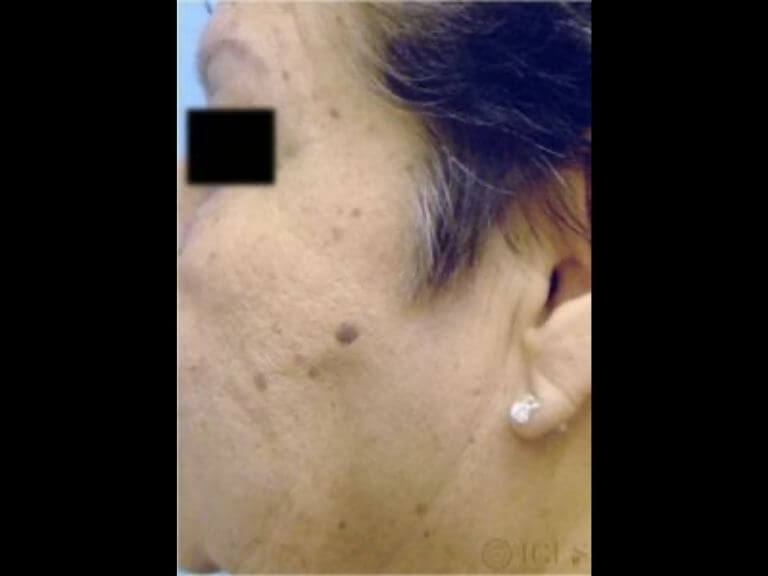
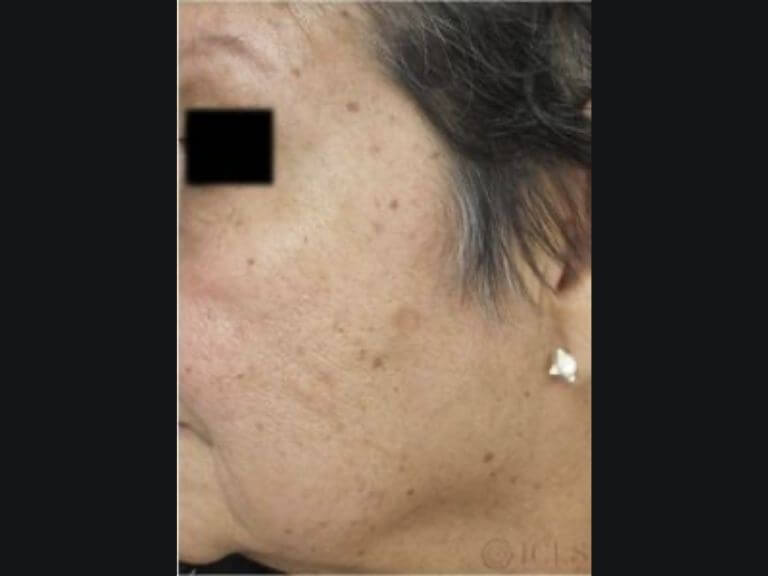
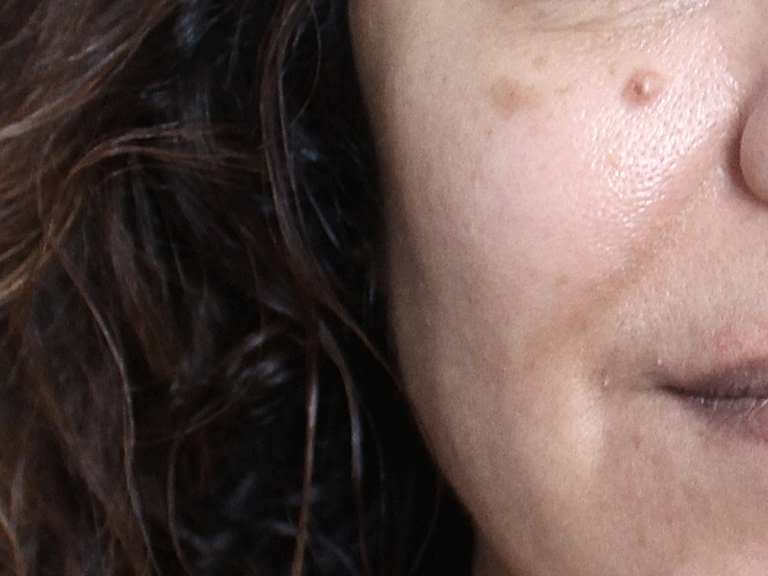
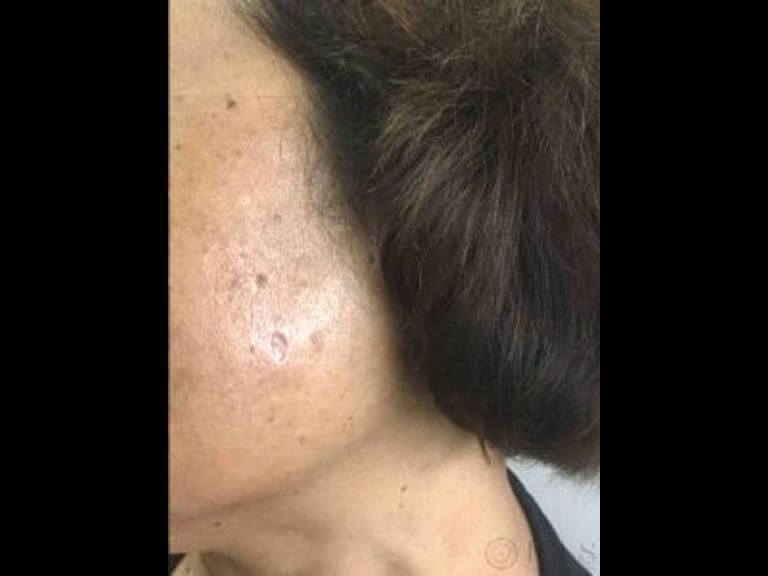
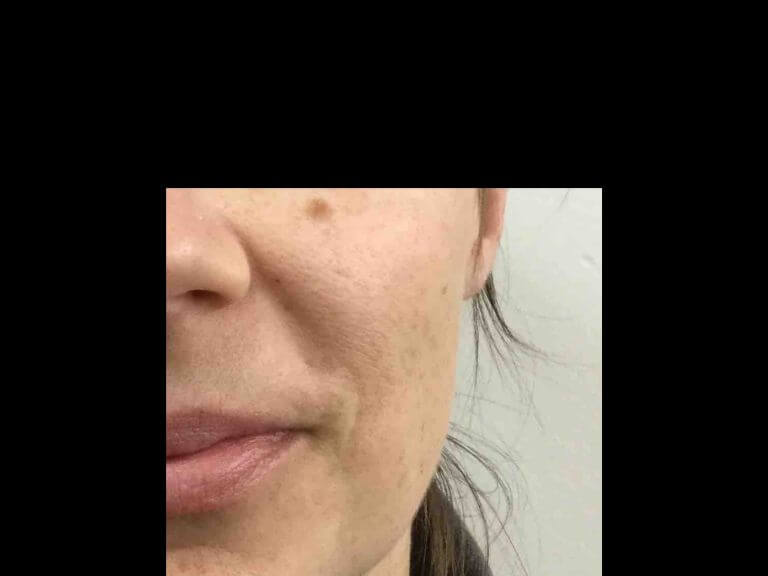
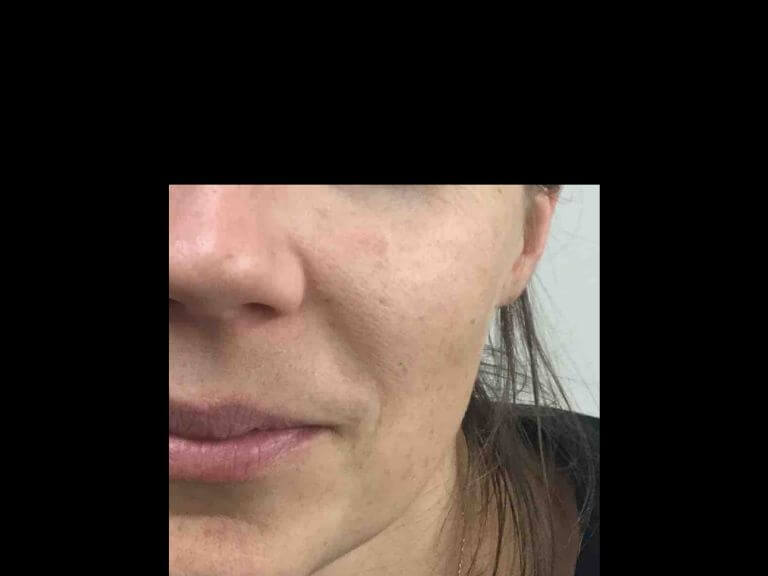
Examples of shave excision results are shown in the before-and-after gallery.
Assessment and Diagnosis – What Happens at Your Consultation
Every mole removal procedure at ICLS starts with a thorough consultation with Dr. Julie Khanna.
During this appointment, Dr. Khanna performs a thorough evaluation that may include:
- Visual inspection of the mole
- Review of medical and family history
- Assessment using the ABCDE criteria
Dermoscopy lets the doctor look closely at pigment patterns and structures inside the mole that you can’t see with the naked eye.
Sometimes, Dr. Khanna may suggest removing the mole for pathology if it looks unusual or changes over time.
Patients also have the opportunity to discuss cosmetic mole removal if the mole is benign but bothersome due to its appearance or location.
Since every mole is unique, Dr. Khanna evaluates each one individually rather than applying a one-size-fits-all approach. This personalized assessment helps determine whether shave excision, punch excision, or surgical excision is most appropriate.
All procedures at ICLS begin with a consultation to ensure that treatment focuses on patient safety and optimal cosmetic results.
What to Expect – Procedure & Recovery
Mole removal procedures at ICLS are designed to be efficient, safe, and comfortable for patients. Depending on the type of mole, removal may involve shave excision, punch excision, or surgical excision. The procedure is typically completed in a single visit, followed by straightforward aftercare to support proper healing.
The Mole Removal Procedure
Mole removal procedures at ICLS are quick, safe, and performed under local anesthesia.
The process commonly involves:
- A consultation and mole assessment
- Injection of lidocaine to numb the treatment area
- Removal of the mole using shave, punch, or surgical excision techniques
- Wound closure with sutures (if needed) or application of aluminum chloride
- Sending the specimen to pathology for analysis
The procedure is generally painless once the local anesthetic takes effect.
Most mole removals take 15 to 30 minutes per mole, depending on the technique used.
Aftercare & Healing
Recovery following mole removal is usually straightforward.
Patients are typically advised to:
- Keep the treated area clean and dry.
- Avoid unnecessary irritation to the healing site.
- Protect the area from sun exposure.
- Follow the provided post-procedure care instructions.
If sutures are used, they are usually removed within 5 to 7 days, depending on the location.
Most patients return to their normal daily activities the same day. Mild redness, swelling, or tenderness may occur initially but typically resolves quickly.
Mindful aftercare helps minimize scarring and supports optimal healing
Cost of Mole Removal in Toronto & Oakville
The cost of mole removal depends on the size, location, and complexity of the mole, as well as the surgical technique required.
Typical pricing at ICLS includes:
Shave excision
- starting at $575 to $3,000
Surgical excision
- starting at $1,100 to $3,000+ depending on complexity and number of moles
All listed prices are estimates, and a consultation is required to determine the exact cost based on individual treatment needs.
Why Choose ICLS Surgery for Mole Removal
Patients seeking mole removal in Oakville, Toronto, Mississauga, Brampton, and Etobicoke often choose ICLS Plastic Surgery for its surgical experience and commitment to patient safety.
Dr. Julie Khanna is a board-certified plastic surgeon (FRCSC, ABPS) with more than 30 years of experience. Throughout her career, she has treated over 400,000 patients, building a reputation for precision and thoughtful patient care.
ICLS Surgery offers:
- An accredited surgical facility in Oakville
- Expertise in surgical dermatology procedures
- Over 1,600 five-star reviews on Google and RateMDs
- A commitment to patient safety and accurate diagnosis
As standard practice, all excised moles are sent to pathology, ensuring that patients receive accurate medical evaluation and cosmetic improvement.
This surgical approach distinguishes ICLS Plastic Surgery from cosmetic laser clinics or skin tag removal centers that may not provide a comprehensive diagnostic evaluation.
Before & After Mole Removal
At ICLS Surgery, treatment is tailored to the type, size, and location of each mole.
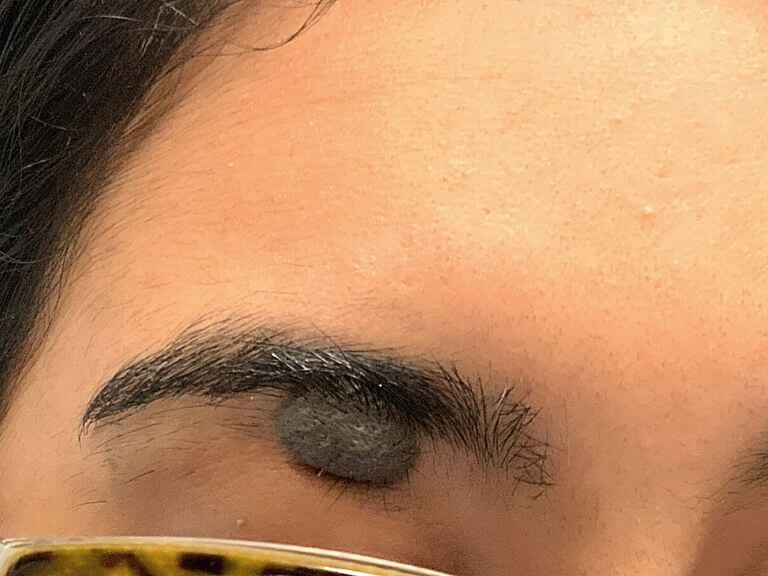
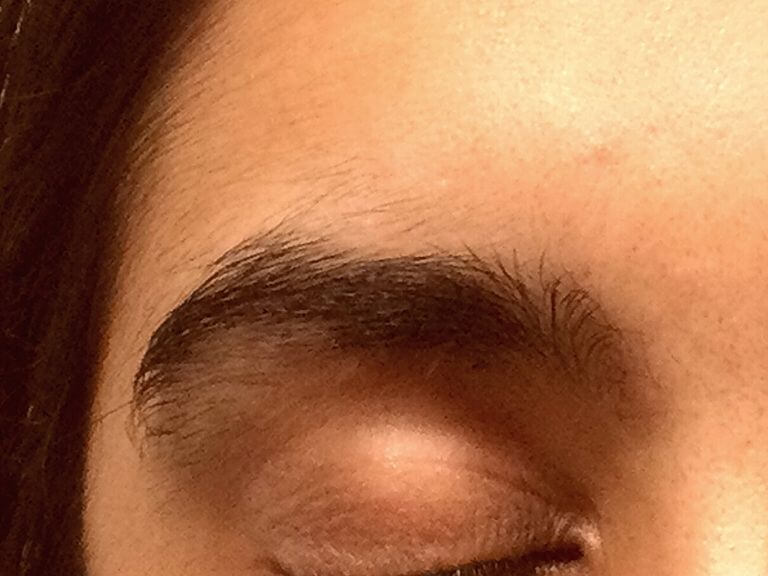
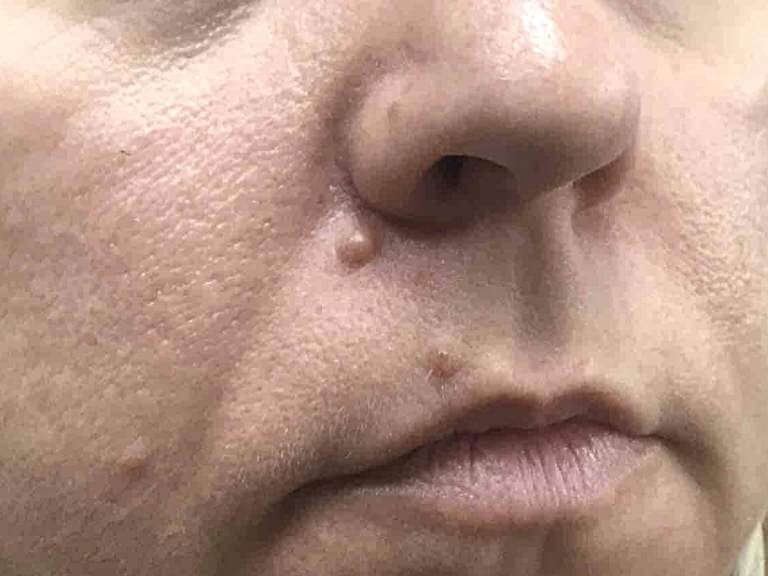
Patients often see a noticeable improvement in skin smoothness and overall appearance following removal. Viewing real results can also help set realistic expectations about healing, scar appearance, and cosmetic outcomes.
Examples in the gallery include results from shave excision and surgical mole removal procedures performed by Dr. Khanna.
Mole Removal Procedure in Oakville, Ontario
-
Mole Excision
-
Mole Removal using shave excision
-
Mole Removal using shave excision
-
Mole Removal using shave excision
-
Mole Removal
-
Patient A - 1 of 2
Mole Removal -
Patient A - 2 of 2
Mole Removal -
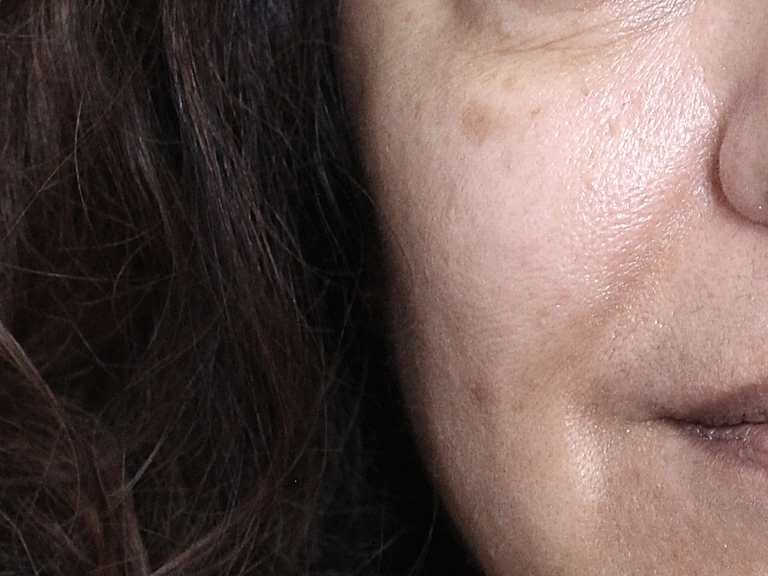
Mole Removal
-
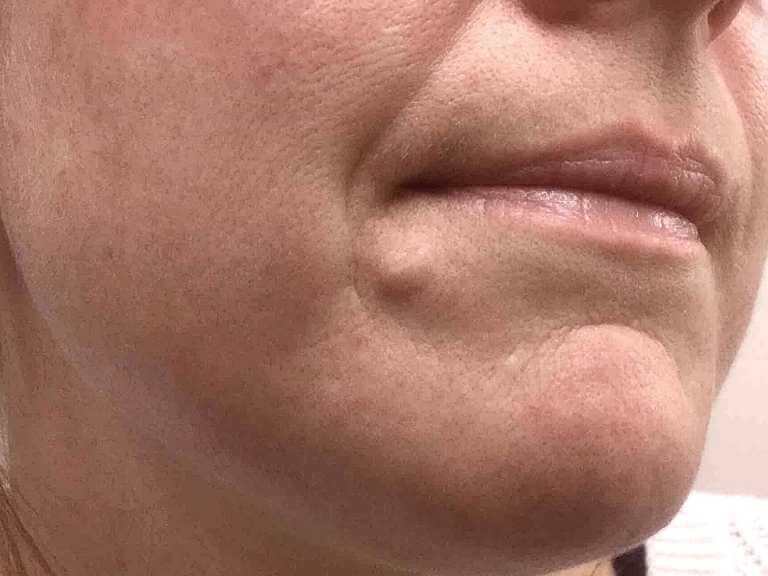
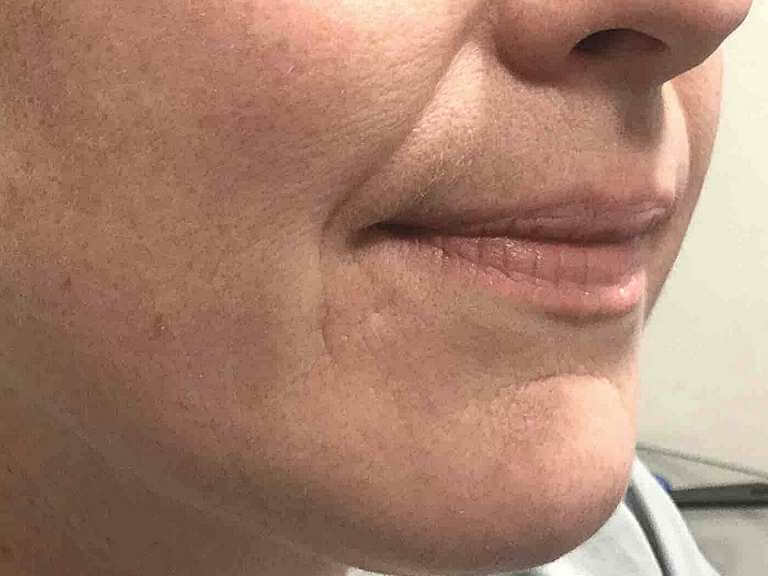
Mole Removal
-
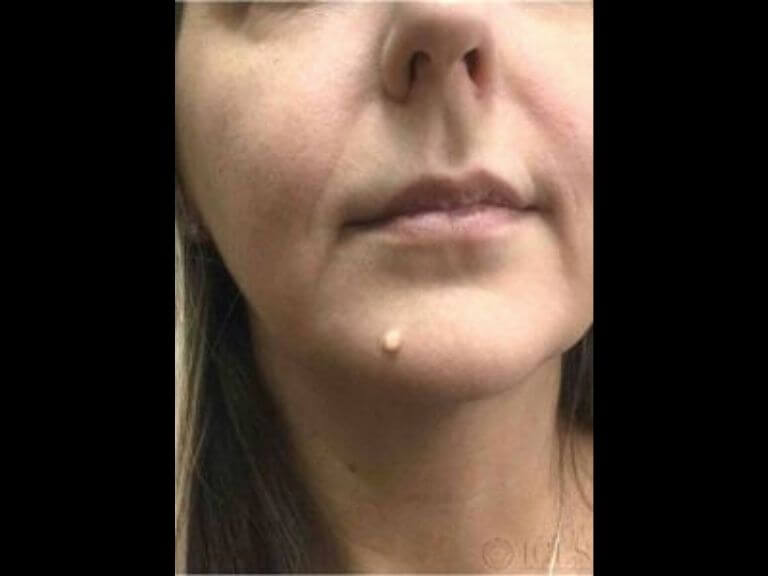
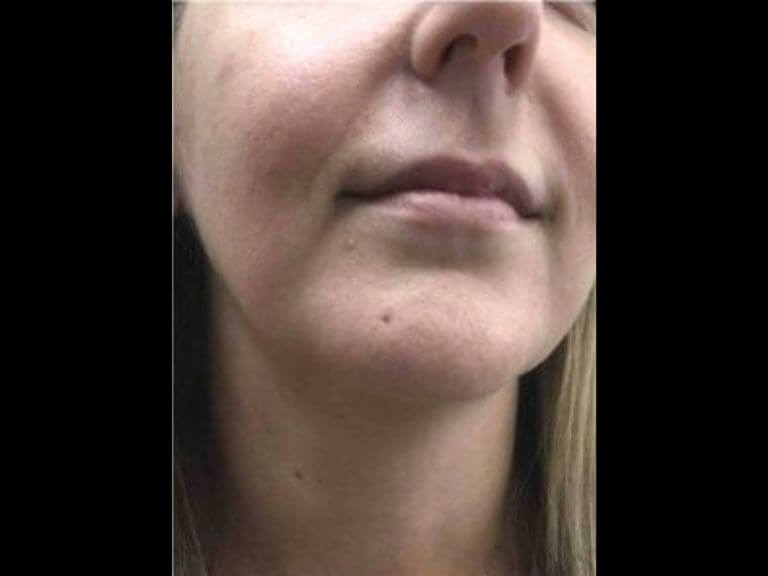
Mole Removal using shave excision
-
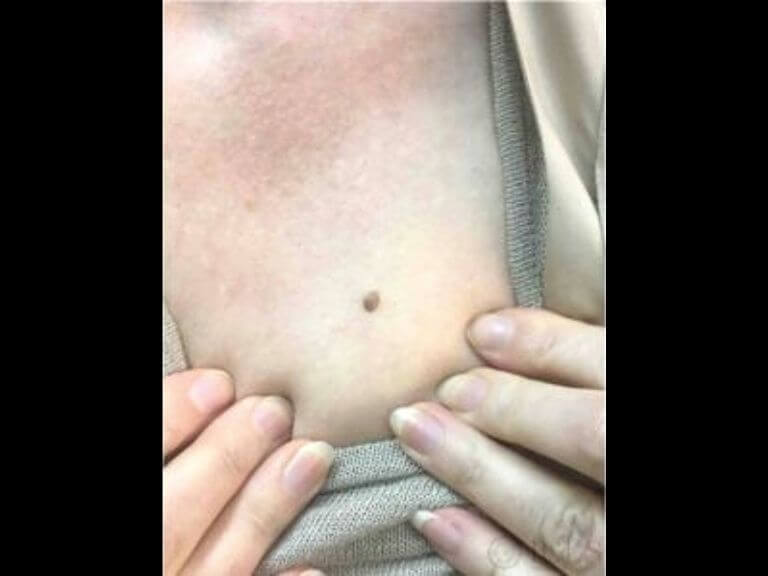
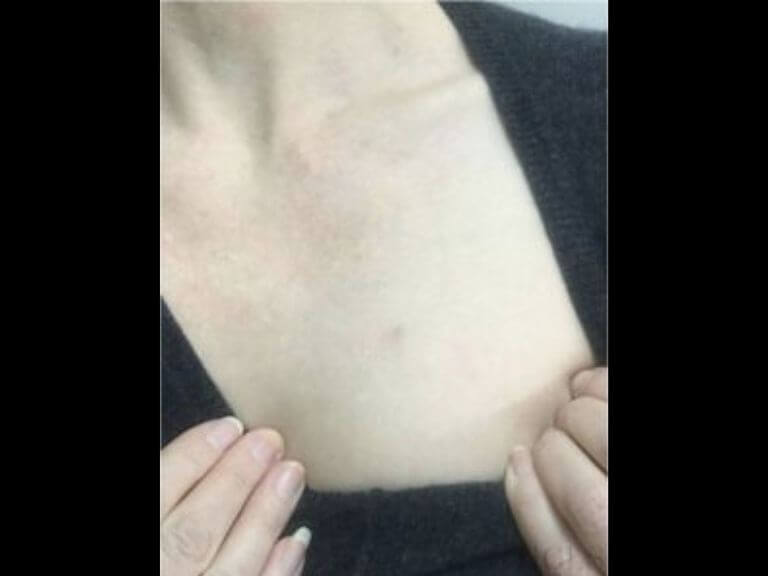
Mole Removal using shave excision
-
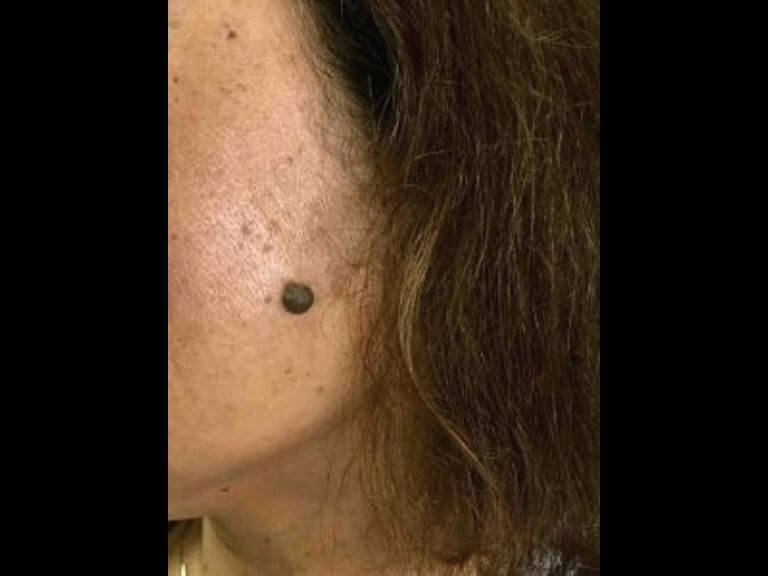
Mole Removal using shave excision
-
Mole Removal using shave excision & Cautery
-
Mole Excision
-
Mole Removal using shave excision
-
Mole Removal using shave excision
-
Mole Removal using shave excision
-
Mole Removal
-
Patient A - 1 of 2
Mole Removal -
Patient A - 2 of 2
Mole Removal -
Mole Removal
-
Mole Removal
-
Mole Removal using shave excision
-
Mole Removal using shave excision
-
Mole Removal using shave excision
-
Mole Removal using shave excision & Cautery
How do I know if a mole is dangerous?
The ABCDE rule may help identify potential warning signs. Look for asymmetry, irregular borders, colour variation, a diameter larger than 6 mm, or changes over time. Most moles are benign, but if you notice any changes, it is best to schedule a consultation so Dr. Khanna can assess the mole professionally.
Is mole removal painful?
Mole removal is typically not painful because local anesthetic (lidocaine) is used to numb the area. Patients may feel slight pressure during the procedure, but no pain. Mild tenderness afterward is possible, but most people manage it easily with over-the-counter pain relief.
Will my mole come back after removal?
If a mole is surgically excised, it will likely not come back, but recurrence is still possible. With shave excision, regrowth is uncommon but occasionally possible. All removed tissue is sent to pathology for analysis.
How much does mole removal cost?
Costs vary depending on the technique used. Shave excision starting at $575 for the first mole and surgical excision starts from $1,100 depending on complexity. A consultation provides a personalized estimate.
How many moles can be removed in one session?
Multiple moles can often be removed during a single appointment. Pricing reflects per-mole rates after the first removal, making it efficient for patients who wish to address several moles at once.
Do you send removed moles to pathology?
Yes. At ICLS Surgery, all excised moles are sent to pathology as standard practice. This ensures that the tissue is carefully examined to confirm whether it is benign, providing additional reassurance for patients.
What is the difference between shave excision and surgical excision?
Shave excision removes the mole flush with the skin surface and typically does not require sutures, making it ideal for raised benign moles. Surgical excision removes the mole completely through the full depth of the skin and requires sutures. The appropriate technique depends on the mole’s type and depth.
Related Blog Posts
Patients interested in mole removal and skin health may also find these topics helpful:
- Understanding wart and mole removal
- Non-surgical and less invasive skin health treatments
- The advantages of choosing ICLS
These educational resources can help patients make informed decisions about skin health and treatment options.
Related Pages
Patients exploring surgical dermatology procedures at ICLS may also be interested in:
- Cyst Removal
- Keloid Removal
- Birthmark Removal
- Scar Revision
- Lipoma Removal
These procedures are part of the broader surgical dermatology services available at ICLS Surgery.