Love Handles Treatment in Oakville, Ontario

Overview

If you’ve been researching how to get rid of love handles, you’re not alone. Love handles are one of the most common body concerns for women and men alike. They can be especially frustrating because they can linger even when you’re otherwise healthy and active. Many people notice love handles when their clothing starts to fit tightly around the waist. They may also notice love handles in photos, when sitting or bending, or when they see themselves in the mirror.

At ICLS, we recognize that the decision to address love handles often comes with questions and concerns. Patients visit us from Toronto, Oakville, Mississauga, and across the GTA to understand why love handles develop and what options can make a difference. Through an initial conversation, we can learn what’s driving the concern, whether genetics, hormones, fat distribution, or skin quality. When diet and exercise haven’t delivered the desired changes, we can recommend treatment options tailored to your goals.

What Can I Do?

Our Procedures or Treatments

What Are Love Handles?

Love handles refer to excess fat along the sides of the waist. Known medically as flank fat, this area sits between the lower ribs and the hips. 

Are love handles genetic? They can be. For many people, the waist tends to store fat due to a combination of factors, including genetics, hormones, and lifestyle factors such as diet and exercise.

Love handles can affect how the waistline looks from multiple angles. For some people, love handles are more noticeable in fitted clothing or when bending at the waist. For others, they’re persistently visible. It’s one of the most common areas where people store fat despite exercising and maintaining a healthy weight.

Why Are They Called “Love Handles”? Term Origin & Meaning

The term “love handles” is informal and describes the way excess fat along the waist can be visibly grasped or “handled.” Historically, the phrase appeared in the mid-20th century to reference the curves at the waist that could be held by a partner — hence the nickname.

In modern medical and aesthetic language, we refer to this area as the flanks or lateral waistline. Although the term is light-hearted, the concern itself is valid and often tied to confidence, clothing fit, and overall body contour goals.

Why Do Love Handles Develop?

Several factors can contribute to fat storage in this area, including:

  • Genetics: Some people naturally store fat at the waist. If love handles run in your family, you may see them appear, regardless of lifestyle.
  • Hormonal changes: Shifts related to age, stress, insulin regulation, menopause, or andropause influence where fat settles.
  • Sedentary habits: Prolonged sitting and lack of movement can encourage fat storage around the midsection.
  • Dietary patterns: Diets high in processed foods, excess sugar, or extra calories can add up to fat accumulation.
  • Alcohol intake: Alcohol is strongly associated with fat storage around the waist.
  • Age-related changes: Muscle mass declines with age, which can slow metabolism and alter body shape.

Any one of these factors can hinder your best efforts at controlling flank fat, even if you have a healthy BMI. Love handles are often more about fat distribution than total body weight. 

It’s also not possible to spot-reduce love handles. Research shows that our bodies cannot access specific fat stores during exercise. In other words, isolated exercises like oblique crunches will not eliminate fat in this area.

Are Love Handles a Health Concern?

Love handles are usually a cosmetic concern rather than a health issue. The fat in this area is subcutaneous fat, which sits above the abdominal wall. 

Subcutaneous fat differs from visceral fat, which surrounds internal organs. Visceral fat poses greater health risks, including cardiovascular and metabolic conditions.

Additionally, many people confuse flank fullness with “belly fat.” However, they are not the same thing. Flank fat sits under the skin, which is why it tends to affect shape and clothing fit more than health markers. Visceral fat, on the other hand, sits deeper and can impact metabolic health.

In many cases, lifestyle changes such as eating healthily and exercising can lead to improvements in other areas, including a reduction in visceral fat. Yet, love handles may remain the same. The remaining fat at the flanks can be more distribution-driven and less responsive than other areas.

This is a key point for expectations. Someone with strong flank fat and good overall health might still not see changes with lifestyle alone. Various medical and cosmetic treatments aim to change shape, proportion, and contour. They aren’t designed for weight loss, but instead, address areas that habits cannot always change.

Can You Lose Love Handles Naturally?

Many people understandably want to exhaust natural options before considering medical love handle removal. While lifestyle changes can reduce overall body fat, the flanks are more difficult to reduce.

Diet & Lifestyle Approaches

Habits that support general fat reduction include:

  • Limiting refined sugars and alcohol
  • Eating a fibre-rich diet with vegetables and whole grains
  • Prioritizing protein to support satiety
  • Staying hydrated and practicing mindful eating

These changes support overall health and may reduce torso fat. However, genetically driven love handles often persist despite consistent efforts.

Exercises That Support Fat Loss

Exercise improves strength, endurance, and metabolic health. It does not selectively burn fat from the waist.

  • Strength training helps build and maintain muscle mass.
  • HIIT supports efficient calorie expenditure.
  • Cardio increases overall energy burn.
  • Core training improves posture and muscle tone.

No exercise selectively reduces love handles. However, lifestyle changes can still matter. Even when they don’t entirely remove love handles, they can reduce overall torso fat, support stable weight, and improve skin quality over time. They can also make the results of any future treatment look more balanced and more natural.

That said, it’s common to reach a plateau. You may notice that your abdomen appears flatter, but the sides of your waist still retain fat. Or you may notice that your waist looks different depending on your clothing and posture. At this point, patients may start comparing non-surgical and surgical options that can realistically change the flank area.

Non-Surgical Treatments for Love Handles

Non-surgical body contouring options may appeal to individuals seeking a subtle change. However, expectations must be realistic.

Non-Invasive Body Contouring

Energy-based treatments use cooling, ultrasound, or radio frequency to target small pockets of fat. These approaches:

  • Works best for mild fullness.
  • Require multiple sessions.
  • Deliver gradual, modest results.
  • Do not address loose skin effectively.

The goal with non-surgical options is usually refinement rather than transformation. These treatments work best when there is a small pocket of flank fat, the skin has good elasticity, and the person wants a gradual change.

It’s also important to consider the shape of the concern. If love handles extend into the lower back or wrap around the waist, non-surgical methods may not achieve the even, continuous contour that many patients desire. In such cases, the results can appear partial. As such, a careful assessment is crucial before choosing a non-surgical plan.

Who Is a Good Candidate?

Non-surgical options may suit people who:

  • Have minimal flank fat
  • Have good skin elasticity
  • Are close to their goal weight

Safety & Limitations

Results are subtle and vary from individual to individual. Non-surgical options do not replace surgical contouring when love handles are more pronounced.

Surgical Solutions for Love Handles (Most Definitive Results)

For patients seeking noticeable, predictable contour improvement, surgery offers the most reliable outcome.

Liposuction for Love Handles (Flank Liposuction)

Flank liposuction removes excess fat through small incisions using a cannula. It’s one of the most effective methods for reshaping the waistline and smoothing the transition between the torso and hips.

The best candidates for liposuction include people who:

  • Maintain a stable weight
  • Have stubborn flank fat
  • Have reasonable skin elasticity

Benefits include permanent fat reduction, improved waist definition, and more balanced proportions. Flank liposuction works well because it targets the area directly. It does not rely on the body to “decide” where to lose fat. Instead, it reshapes the silhouette. By removing stubborn fat deposits from the sides of the waist, liposuction improves the transition from the waist into the hips and lower back.

Note that when the skin has good elasticity, it can re-drape more smoothly over the new contour. When skin quality is poorer, additional support from other procedures may be needed. A surgical consultation helps match the approach to your anatomy, not just your goal.

360° Liposuction (When the Waistline Needs Global Contouring)

In many cases, flank fat doesn’t exist in isolation. Fat may wrap around the abdomen, sides, and lower back.

360° liposuction addresses the entire waistline to create a smoother, continuous contour. Effective for both men and women, it’s a popular treatment for reducing love handles.

Tummy Tuck (If Loose Skin Contributes to the Look of Love Handles)

A tummy tuck is not designed to remove flank fat. However, it can improve waistline shape when loose abdominal skin is a concern. A tummy tuck can be especially relevant after pregnancy or significant weight changes.

When Combined Surgical Approaches Are Considered

Some patients benefit from combining procedures:

  • Flanks and abdomen fat: 360° liposuction
  • Fat plus loose skin: Tummy tuck with flank liposuction
  • Men with flank fat and chest fullness: Comprehensive contour planning

For more information, see our Body Contouring page or request a consultation.

How To Choose the Right Option for Love Handle Reduction

Choosing the proper treatment requires an individualized assessment. At ICLS, we evaluate fat type, skin quality, waistline structure, and lifestyle considerations. Patients from Toronto, Oakville, and Hamilton value our focus on safety, ethics, and natural-looking results.

A good plan considers where the fat sits, how far it wraps around the torso, and how your skin responds to change. It also considers how you want your waistline to look from the front, side, and back. Some patients want a subtle smoothing. Others wish for a more precise definition and a more athletic silhouette.

Practical factors matter, too. Downtime, work demands, and comfort level all shape the decision. At ICLS, the goal is to recommend the least invasive option that can realistically meet your goals, while being honest about what each option can and cannot do. That clarity helps patients feel confident, whether they move forward now or later.

If you’re considering treatment for love handles and want clear, professional guidance, a consultation at ICLS can help you understand your options. Patients visit us from Toronto, Oakville, Mississauga, and across the GTA for individualized assessments and honest recommendations based on their anatomy and goals. Book a consultation today.

Love Handles FAQs

Lifestyle changes can take months and may not fully address flank fat due to genetics.

Fat removed through liposuction does not return, but maintaining a stable weight supports long-term results.

Yes. Hormones influence fat distribution. Whereas men often store fat more centrally, women may store more laterally at the waist.

For moderate to significant love handles, liposuction provides more predictable results.

Healthy habits help maintain results, but genetics still play a role.

Downtime varies, but most patients resume light activity within days. Your surgeon will explain expectations during your consultation.
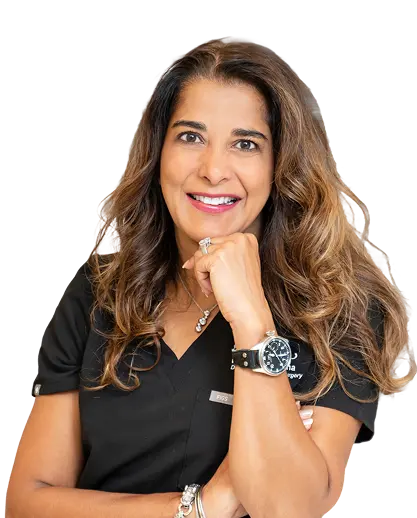
dr. khanna headshot

Our Doctor

Dr. Julie Khanna

MD, FRCSC
As one of Canada’s leading cosmetic plastic surgeons for over 30 years, Dr. Khanna approaches every procedure with the goal of creating results that feel natural, balanced, and uniquely your own. 
Supported by an accredited, state-of-the-art facility and a team she’s personally trained, Dr. Khanna embodies the ICLS Advantage: experience, innovation, and care that always put the patient first.
American Society of Plastic Surgeons member at ICLS Plastic Surgery
Canadian Society of Plastic Surgeons member at ICLS Plastic Surgery
Canadian Society of Plastic Surgeons member logo for ICLS Plastic Surgery
Royal College of Physicians and Surgeons of Canada fellow at ICLS Plastic Surgery
The Aesthetic Society member logo for ICLS Plastic Surgery specialists
American Board of Plastic Surgery certified surgeon at ICLS Plastic Surgery

Book A Private Consultation with Our Plastic Surgeon

Virtual or in person appointment are available.