
Double eyelids, monolids, and hooded eyelids are three common variations in eye shape, each with distinct characteristics. Double eyelids have a visible upper eyelid crease, also called the supratarsal crease. Monolids have little or no visible crease, while hooded eyelids have a fold of skin that partially covers the upper lid.
Your eye shape is influenced by several factors, including eyelid anatomy, skin thickness, the brow bone, and surrounding facial features. Understanding these differences can help you identify your natural eyelid structure and explore the aesthetic options available if you’re considering a change.
What Determines Your Eyelid Shape?
The eyes sit within the eye sockets, which are formed by the orbital bones. While these bones help define the structure around the eyes, the appearance of the upper eyelids depends largely on the eyelid skin, eyelid muscles, fat pads, and the position of the natural crease.
Fat distribution, skin tension lines, and brow position can also influence how much of the upper eyelid is visible. These anatomical differences explain why eyelid shapes vary, even among people with similar facial features.
What Are Double Eyelids?

Double eyelids, monolids, and hooded eyelids are three common variations in eye shape, each with distinct characteristics. Double eyelids have a visible upper eyelid crease, also called the supratarsal crease. Monolids have little or no visible crease, while hooded eyelids have a fold of skin that partially covers the upper lid.
Your eye shape is influenced by several factors, including eyelid anatomy, skin thickness, the brow bone, and surrounding facial features. Understanding these differences can help you identify your natural eyelid structure and explore the aesthetic options available if you’re considering a change.
What Are Monolids?
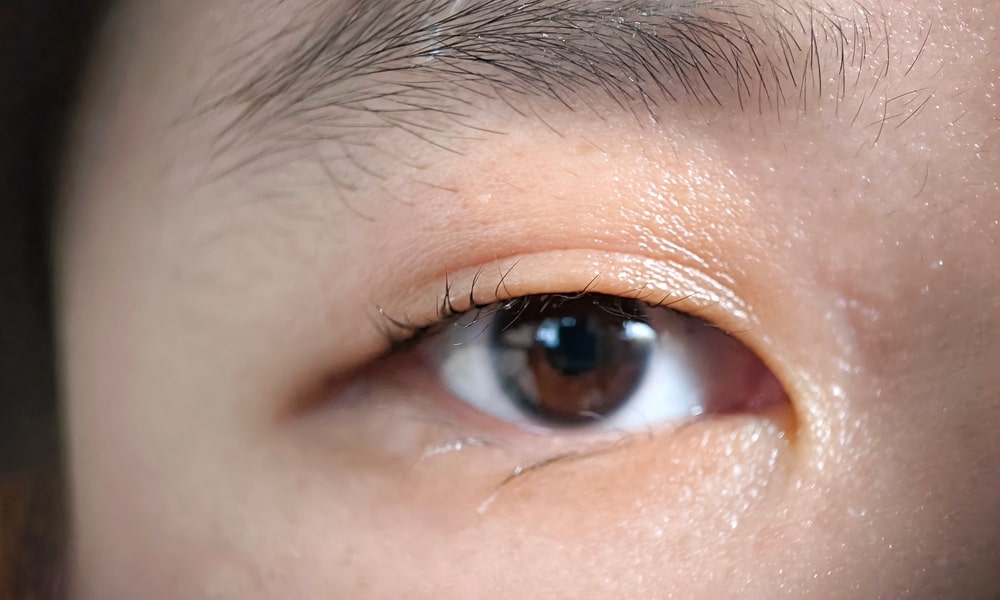
Monolids are a natural variation in eyelid anatomy in which the upper eyelid has little or no visible crease. They are common among people of East Asian descent, although eyelid shapes vary considerably across populations.
Some people with monolids also have epicanthal folds, which are folds of skin near the inner corners of the eyes. These folds are distinct from the upper eyelid crease and can occur with different eyelid shapes.
People interested in temporarily creating the appearance of a double eyelid sometimes use eyelid tape or eyelid glue. These products can create a visible fold for makeup application, but the effect is temporary. Eyelid tapes and adhesives can also irritate sensitive skin.
For those interested in a longer-lasting change, cosmetic eyelid surgery may be an option worth discussing with a qualified surgeon.
Can Double Eyelid Surgery Create an Eyelid Crease?
Double eyelid surgery, also called eyelid crease surgery, is a surgical procedure designed to create or better define a fold in the upper eyelid.
A qualified plastic surgeon or oculoplastic surgeon will assess the patient’s eyelid anatomy, skin, existing crease, and surrounding facial features before recommending an approach.
The procedure can be tailored to different aesthetic goals, with careful consideration of the person’s natural anatomy. As with other cosmetic procedures, it’s important to understand the potential risks, scarring, and recovery process before deciding whether surgery is appropriate.
What Are Hooded Eyes?

Hooded eyelids occur when a fold of skin partially or fully covers the visible upper eyelid. Some people naturally have more prominent eyelid hoods, while others develop them over time as skin elasticity and brow position change.
Hooded eyelids can occur with different eye shapes, including double eyelids. In these cases, the natural crease may still be present but hidden beneath excess skin.
More pronounced eyelid sagging can sometimes interfere with peripheral vision. If drooping affects your ability to see comfortably, a professional assessment can help identify the cause.
How to Fix Hooded Eyes?
- Surgical options: Upper blepharoplasty, commonly called an eyelid lift, may be recommended for people with excess upper eyelid skin. The procedure removes or repositions tissue to address heaviness around the eyes. The recovery period varies, although temporary swelling and bruising are common. Surgery also carries risks, including scarring and asymmetry.
- Non-surgical options: Depending on the concern, certain cosmetic procedures may help address changes in surrounding skin or facial volume. Dermal fillers, for example, may be appropriate for selected volume concerns, but they do not remove excess eyelid skin or create a permanent eyelid crease. A consultation can help clarify which treatments may be suitable.
Finding the Right Solution for You
Whether you’re considering double eyelid surgery, an eyelid lift, or simply want to understand your natural eye shape, the right approach begins with understanding your anatomy and personal goals.
At ICLS, our surgical team can assess concerns such as excess eyelid skin, changes in the upper eyelid crease, and eyelid sagging to help determine which treatment options may be appropriate.
If you’re considering surgery, learn more about blepharoplasty at ICLS or request a consultation to discuss your options.
FAQ:
Are Hooded Eyes the Same as Monolids?
Hooded eyes are not the same as monolid eyes. The natural arc-shaped crease that is found in double eyelids is absent in those who have monolid eyes. Instead of a visible crease, there is solid skin. Comparatively, those who have hooded eyes may still have that arc-shaped crease, but it can be hidden under excessive tissue that builds over the top of the eyelid or stretches out the tissues, creating a puffy look.
Are Hooded Eyes Rare?
Hooded eyes are not uncommon in older people. They can have a darker shade to them, look swollen, or simply seem to be excess flaps of skin. This can happen over time as the elasticity of the eyelids changes.